
.jpeg)
How to Choose a Property Market API for Investment Platforms

Key Takeaways
The right property market API gives your investment platform a competitive edge—but only if you evaluate providers on the criteria that actually matter.
- Historical data depth determines forecasting accuracy and enables trend analysis across market cycles
- Data coverage and update frequency directly impact the reliability of your platform's investment recommendations
- Integration flexibility and documentation quality affect development timelines and long-term maintenance costs
Test these factors against your actual use case by requesting trial access before committing to any provider.
The global proptech market reached $36.55 billion in 2024 and keeps expanding as real estate professionals demand better analysis tools. At the center of this growth sits a component that often gets overlooked until it causes problems: the property market API feeding data into your investment platform.
Picking the wrong API means incomplete analyses, stale listings, and frustrated users who expect institutional-grade insights from your platform. The right choice means your users spot opportunities before competitors do.
This guide covers the evaluation criteria that matter when choosing an API for investment applications. Skip the feature-list comparisons and focus on what actually impacts your platform's performance.
What Is a Property Market API and Why Do Investment Platforms Need One?
A property market API connects your application to real estate databases. Instead of building data collection infrastructure yourself, you pull structured property information through standardized endpoints. Your team writes code; the API handles the data.
Investment platforms depend on this kind of immediate data access. When someone searches for properties matching specific criteria, the API queries millions of records and returns matches in milliseconds. When they analyze a potential acquisition, the API delivers historical pricing, tax assessments, and comparable sales without manual research.
The alternative involves licensing static data files that go stale immediately or scraping public records yourself. Neither scales for investment applications where data freshness directly impacts recommendation quality.
What Features Should You Look for in a Property Market API?
Evaluating an API means examining capabilities across several dimensions. The features that matter depend on your use case, but certain fundamentals apply to any investment-focused application.
Data Coverage and Record Volume
Coverage means both geographic reach and the percentage of properties within each market that actually appear in the database. An API advertising millions of records means little if those records cluster in a few metro areas while leaving suburban markets sparse.
Here's what this looks like in practice: Your user searches for investment properties in secondary markets across the Midwest. If your API only covers major metros well, they get thin results and lose confidence in your platform. Consistent coverage across regions keeps users from hitting dead ends.
Record volume also matters for comparable analyses. Automated valuation models need sufficient data density to identify patterns. Ask providers about their coverage methodology and request sample data from markets where your users actually search.

Historical Data Access for Investment Analysis
Historical data separates investment-grade APIs from basic property lookup tools. Trend analysis, price forecasting, and market timing all depend on years of transaction records rather than current listings alone. The best providers maintain transaction histories spanning a decade or more.
Consider an investor evaluating a duplex in Austin. With ten years of transaction history, your platform shows them that similar properties appreciated 47% over the past five years while rents increased 32%. Without that depth, they're guessing. Research from McKinsey demonstrates that machine-learning models using comprehensive property data can predict rent figures with over 90% accuracy when fed sufficient historical data points.
Beyond transactions, look for historical tax assessments, ownership changes, and listing price adjustments. A real estate transaction database with this depth lets users see how properties performed through different economic conditions, not just the current cycle.
Real-Time Updates and Data Freshness
Investment decisions come down to timing. APIs with daily or real-time updates mean your users see new listings and price changes before competitors using providers with weekly refreshes.
A practical example: A fix-and-flip investor using your platform spots a price reduction on a distressed property Monday morning. By Tuesday, they've made an offer. Users on platforms with weekly data refreshes don't see that reduction until the property is under contract. That's the difference between a tool that helps close deals and one that shows what already happened.
Ask providers specifically about update frequency and whether it varies by data type. Property attributes like square footage change rarely. Pricing and availability status shift constantly. Good providers prioritize updates for time-sensitive information and make it easy to spot those changes.
Integration Flexibility and Documentation Quality
Technical factors impact both initial development and ongoing maintenance. Well-documented APIs with clear endpoint descriptions, sample code, and responsive support cut weeks off integration timelines. Poor documentation means your developers spend hours troubleshooting instead of building features.
Evaluate response formats and whether they match your architecture. Most modern APIs support JSON, but some applications benefit from CSV exports. Check authentication methods, rate limiting policies, and whether sandbox environments exist for testing before production deployment.
How Do You Compare API Options? 5 Key Criteria to Evaluate
When evaluating multiple providers, structured comparison identifies the best fit faster. These five criteria provide a framework:
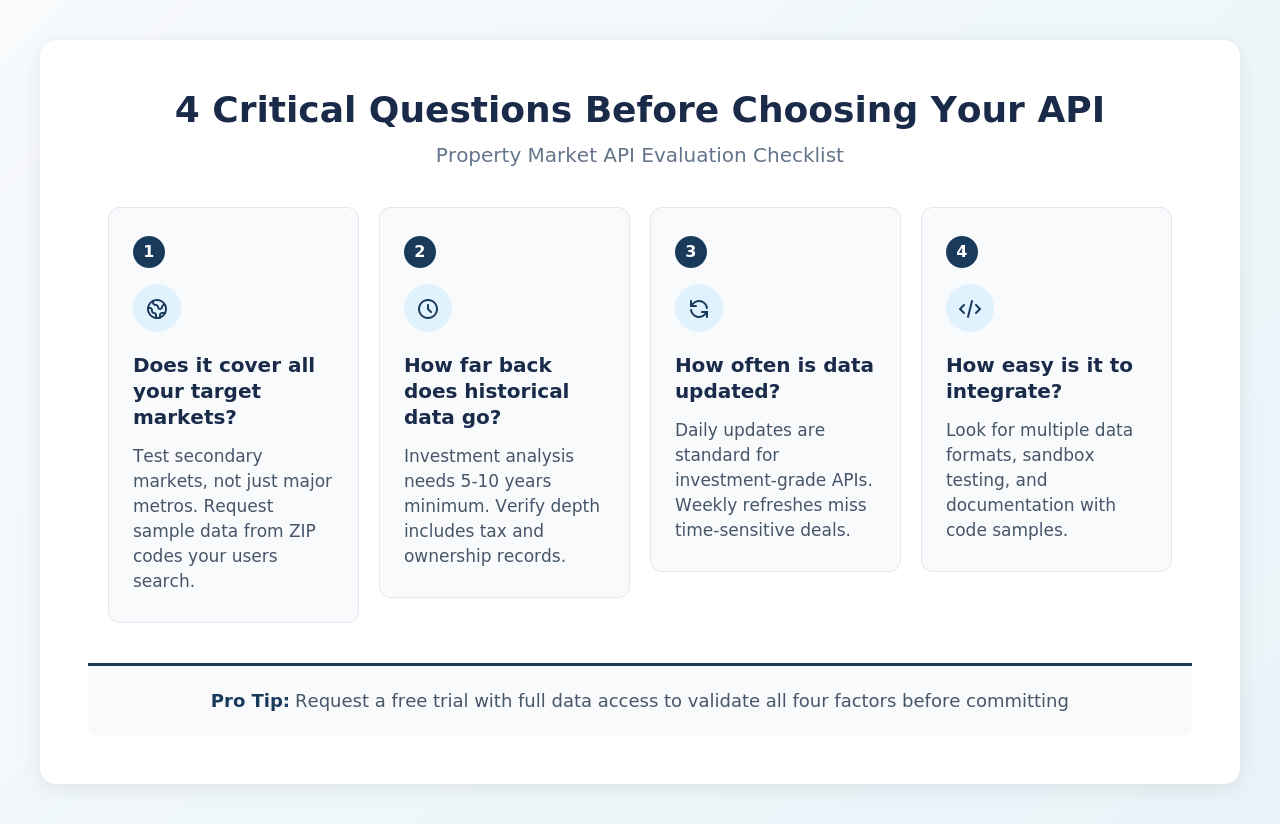
- Data depth and freshness: Some APIs provide only current listing data. Others include transaction history, tax assessments, ownership records, and real-time updates that enable your platform to calculate ROI, track market trends, and deliver timely investment recommendations.
- Coverage consistency: Does the API deliver strong data across all markets your users care about, or just major metros? Thin coverage in secondary markets erodes user confidence.
- Integration and accessibility: Well-documented APIs with multiple data formats, sandbox testing environments, and flexible authentication reduce development time and ongoing maintenance costs.
- Pricing and scalability: Monthly subscriptions, per-record fees, and annual contracts suit different usage patterns. Model your expected query volume, understand how costs scale with growth, and compare total costs rather than advertised rates.
- Support and reliability: Uptime guarantees and support response times matter when your platform depends on continuous data access.
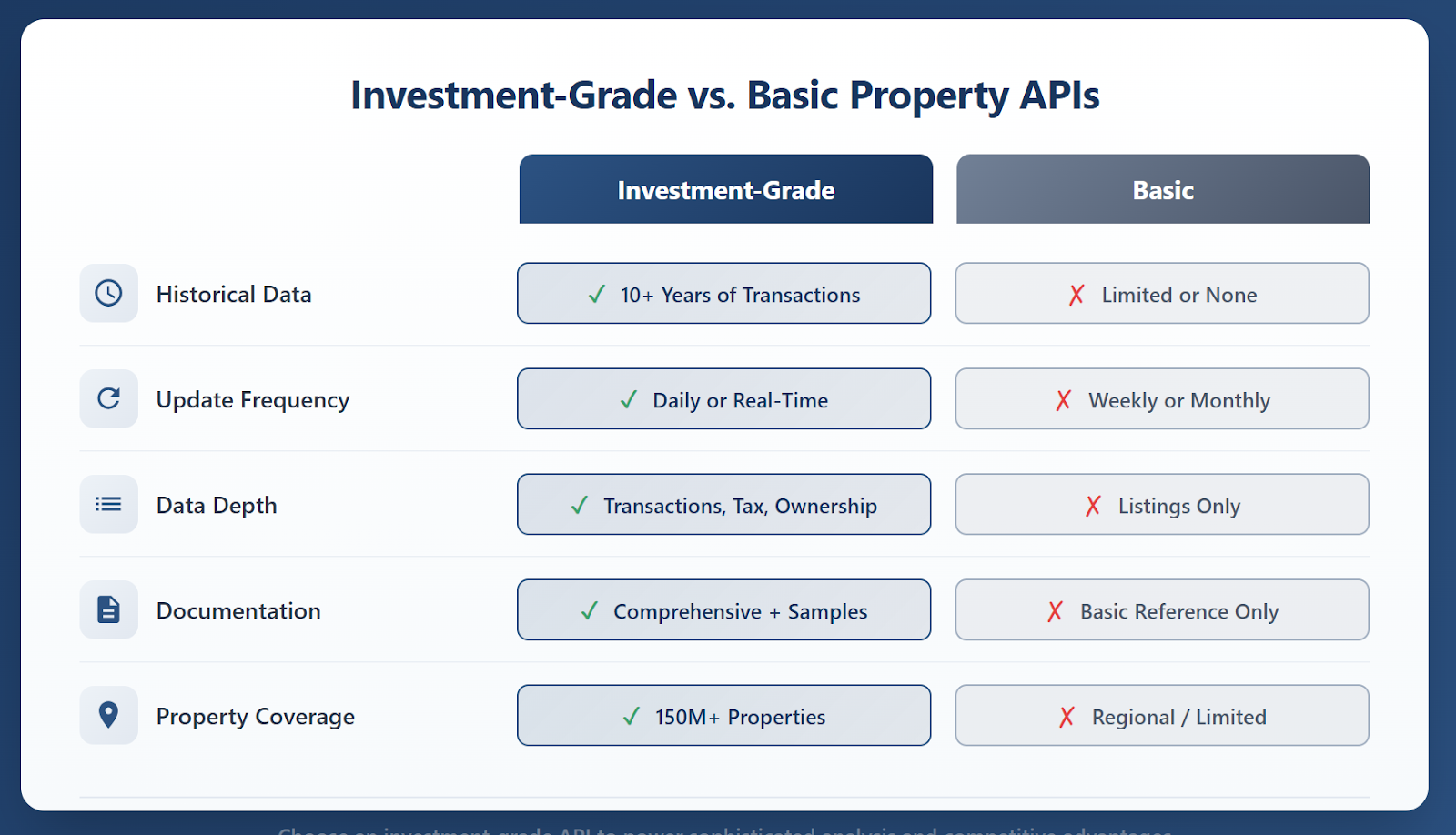
The following table shows how different API categories typically compare:
Feature
Investment-Grade APIs
Basic Property APIs
Data Depth
Transactions, tax, ownership, 10+ years historical
Listings only, limited history
Update Frequency
Daily or real-time
Weekly or monthly
Coverage
150M+ properties nationwide
Regional or limited scope
Integration & Accessibility
Multiple formats (JSON, CSV), sandbox testing, comprehensive docs with code samples
Single format, limited testing options, basic reference only
Support
Dedicated support, uptime SLAs
Limited or email-only
What Data Types Does a Real Estate Database API Provide?
Understanding available data categories helps you assess whether an API meets your platform's analytical requirements.
Property Attributes and Structural Data
Core property attributes form the foundation of any real estate database: square footage, lot size, bedroom and bathroom counts, year built, construction materials. For investment analysis, structural data helps estimate maintenance costs and identify value-add opportunities.
A developer building a rental analysis tool needs to filter properties by bedroom count, then estimate per-unit renovation costs based on age and condition. Without comprehensive structural data, those calculations fall apart.
Transaction History and Pricing Records
Transaction data shows how properties changed hands over time and at what prices. Complete transaction records include sale dates, prices, buyer and seller information where available, and transaction types distinguishing arms-length sales from foreclosures.
Pricing records extend beyond closed transactions to listing history showing how asking prices evolved before sale. This helps investors understand negotiation patterns and spot motivated sellers willing to accept below-list offers.
Ownership and Tax Assessment Information
Current ownership details support direct outreach for off-market acquisitions. Tax assessment records provide government valuations that often differ from market prices, creating opportunities to identify under-assessed properties or over-assessed properties where tax reduction could improve cash flow.
A practical application: An investor targets properties where tax assessments exceed recent comparable sales by 20% or more. They appeal the assessment, reduce annual taxes, and immediately improve the property's net operating income without changing anything else.
Geolocation and Neighborhood Analytics
Geographic data enables mapping functionality and proximity analysis. Coordinates let users visualize property locations while boundary data defines parcels precisely. Advanced APIs include neighborhood-level analytics covering demographics, school ratings, and walkability scores.
For investment platforms, neighborhood data contextualizes individual properties within broader market dynamics. A below-market property in a declining neighborhood is a different opportunity than the same price point in an improving area.
How Do You Match API Capabilities to Your Investment Platform Goals?
Different platform models require different API capabilities. A portfolio tracking app serving buy-and-hold investors emphasizes different data than a deal-sourcing tool for fix-and-flip operators.
Portfolio analysis platforms benefit most from comprehensive historical data and consistent record structures tracking asset performance over time. These applications need reliable property data updated regularly, plus historical transaction and tax records that feed valuation models.
Deal sourcing applications prioritize fresh listing data and filtering capabilities helping users find opportunities matching specific criteria. APIs with real-time updates and robust search functionality give these platforms a competitive edge.
Market research tools need broad coverage and deep historical records for trend analysis across geographies. These platforms often query large datasets generating market reports, making per-record pricing potentially expensive compared to subscription models.
What Are Common Integration Challenges and How Can You Avoid Them?
Technical integration challenges derail projects or create ongoing maintenance headaches if not addressed during provider selection.
Authentication and security deserve attention, especially when handling property data including ownership information. Check whether the API supports modern authentication standards and whether the provider maintains security certifications matching your compliance requirements.
Rate limiting policies vary significantly between providers. Many APIs impose strict requests-per-second caps that force developers to build throttling logic and retry handling into their applications. Others use credit-based models where you pay for the data you retrieve without artificial request constraints. Understanding how a provider meters usage affects both your development complexity and your platform's ability to scale during traffic spikes.
Data normalization across sources creates another common issue. Properties appear in multiple databases with inconsistent formatting. APIs that pre-normalize data reduce the burden on your development team. Ask providers about their normalization approach and review sample data for consistency.
How Can You Future-Proof Your API Selection?
Technology and market conditions evolve constantly. The API serving your needs today should continue meeting requirements as your platform grows.
Consider how the API supports your platform's analytical ambitions. Comprehensive historical data and consistent schema design make it easier to build predictive models and advanced features on your end. The more complete the underlying data, the more sophisticated your platform's analysis can become.
Scalability extends beyond pricing to technical capacity. As your user base grows, you need confidence the API handles increased query volume without degradation. Understanding the provider's data schema and coverage across regions prevents painful provider transitions later.
Provider stability matters too. Request information about the company's funding, customer base, and product roadmap. A provider actively developing new capabilities offers better long-term partnership potential than one in maintenance mode.
Frequently Asked Questions
What is a property market API? A property market API is a software interface connecting applications to real estate databases. Developers use it to retrieve property attributes, transaction history, valuations, and ownership details through standardized requests instead of building data collection infrastructure themselves.
How much historical data should a real estate API provide for investment analysis? Investment-grade APIs should provide at least five to ten years of transaction data. This depth enables trend analysis across market cycles and supports predictive models that require historical patterns to generate accurate forecasts.
What's the difference between property listing APIs and comprehensive property data APIs? Property listing APIs focus on active for-sale and for-rent listings with current availability and pricing. Comprehensive APIs include listings plus historical transactions, tax assessments, ownership records, and property attributes for both listed and unlisted properties.
How do I evaluate API data quality before committing to a provider? Request trial access covering markets where you plan to operate. Validate completeness against known properties and recent transactions. Check whether property counts match expectations, verify historical records extend back as advertised, and test search functionality against criteria your users will apply.
Ready to Power Your Investment Platform with Reliable Property Data?
Choosing a property market API affects everything your platform can do. The right selection enables sophisticated analysis and scales with your business. The wrong choice limits capabilities and potentially requires expensive re-platforming later.
Focus on criteria relevant to your use case while ensuring baseline requirements around coverage, freshness, and reliability are met. Request trial access from promising providers and test their data against your actual analytical needs before committing.
For teams seeking comprehensive property data with extensive historical records and flexible API access, Datafiniti offers a solution worth evaluating. Their property data platform covers millions of U.S. properties with the depth investment applications demand. Reach out to discuss your requirements and explore whether their capabilities fit your platform goals.
Read the latest articles

Read more

Build vs Buy: Business Data Enrichment for Growing Teams

Company Data API Pricing: Bulk & Enterprise-Scale Access

Best Business Data APIs for Sales Teams & Prospecting

Business Data API: Company Data at Enterprise Scale

How to Build a Product Database With a Product Data API

Property Data API Coverage: What U.S. Datasets Include

Product Data API for Ecommerce Price Monitoring and Repricing

Real-Time Product Data API for Product-Led Growth Teams

Property Ownership Data API for Skip Tracing and Lead Gen

How APIs Make Building a Product Database Easy
Learn how to build a product database with APIs for cleaner imports, updates, search, and scalable product data.

How to Leverage Competitor Pricing Data with an API
Use competitor pricing data to build API-driven monitoring, analysis, and smarter pricing decisions.

Price Monitoring API: The Key to E-Commerce Pricing Strategy
Use a price monitoring API to track market changes, improve pricing decisions, and protect ecommerce margins.

How do Product Data APIs Work for E-Commerce Companies?
Learn how a product data API works, from collection and queries to ecommerce integration and use cases.

GTIN Lookup API: Search Products by Barcode & UPC at Scale

Best Real Estate API 2026: Coverage, Pricing, Data Quality

Best Product Data API 2026: A State-of-the-Market Guide

Product Data API Integration Patterns for Ecommerce Platforms

Build a PropTech MVP With a Property Ownership Data API

3 Benefits of Web Scraping for Real Estate
Boost your research by using web scraping for real estate to gain market insights, automate lead lists, and minimize property risk.
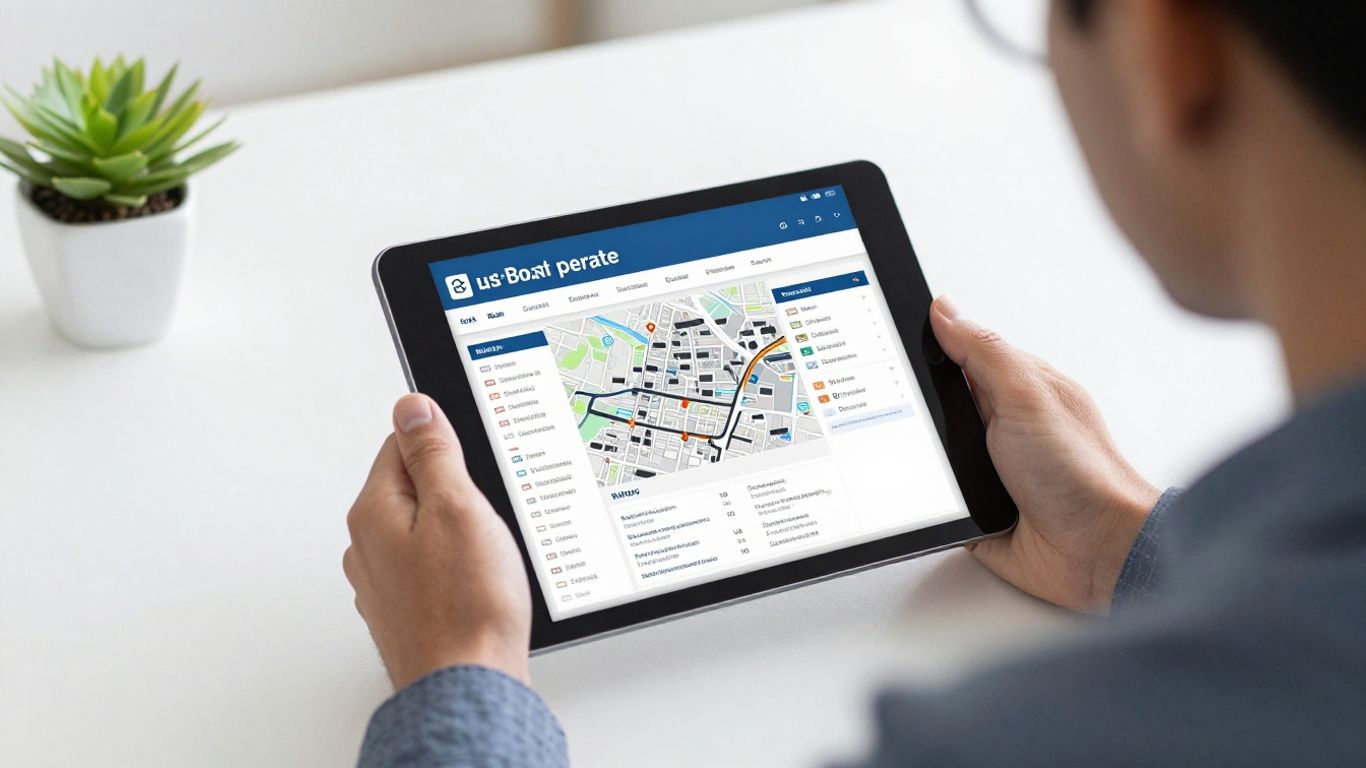
How Real Estate Agents Can Leverage Proptech Data
Leverage proptech data to source leads, speed up valuations, and manage risk with accurate, real-time property insights.

What Is a UPC Lookup API?
Learn about the UPC lookup API, how it works, and its benefits for businesses. Get product data easily.

What Is a GTIN Lookup API?
Learn about the GTIN lookup API and how it can help your business grow. Get product data insights.

How Does a Property Data API Work?
Learn how a property data API works, its features, and how you can use it for real estate and business insights.

What The Best Real Estate APIs Should Have
Discover what makes the best real estate APIs stand out. Learn about essential features for your property data needs.
How to Access MLS Listing Data
Learn how to access MLS listing data using an MLS data API. Discover Datafiniti's solutions and integration tips.
.png)
How to Enrich Your Product Catalog With a Real-Time API
.jpeg)
Product Data API Buyer's Guide for Ecommerce Teams

Do I Need a Real Estate Listing API?
Explore the benefits and technicalities of a real estate listing API. Learn how to choose the right provider and integrate data for business growth.

Why Real Estate Tech Startups Need Property APIs with Ownership Details
Discover how property APIs with ownership details empower real estate tech startups. Learn about data integration, risk mitigation, and driving business value.
The Value of a Product Catalog Sync for Product Managers
Unlock the value of product catalog sync for product managers. Streamline data, improve decisions, and reduce costs with real-time insights.

What is a Product Data Webhook?
Learn about product data webhooks, their components, and how they enable real-time updates for business intelligence and workflow automation.

Why Is a Product Data API Integration Essential for Analysts & Product Managers?
Unlock insights with product data API integration. Essential for analysts & product managers to streamline data access & enhance product strategy.

What Is a Product Data API and Its Benefits
Learn about product data APIs, their benefits, and how they drive business growth. Explore integration and advanced use cases.

What Do eCommerce Data Vendors Do?
Learn what ecommerce data vendors do, their services, and how to choose the right one for your business growth.

How to Compare Product Data Providers: What to Look For
Compare product data providers. Learn what to look for in data quality, structure, and integration features.

How to Get Your Product Data in Real-Time Using APIs
Learn how to leverage real-time product data APIs for e-commerce, competitive analysis, and AI. Get instant access to clean, structured product data.

Best Product Data API: Features to Look for
Find the best product data API with real-time updates, comprehensive coverage, and a user-friendly portal. Explore features to look for.

Unlocking Property Data with an API
Access property data with a powerful property database API. Explore listings, market analysis, investment opportunities, and more. Get started today!

Unlocking CRE with APIs
Unlock commercial real estate insights with a powerful API. Access property data, streamline workflows, and enhance investment strategies.

How to Get a Real-Time Product Feed Using an API
Learn how to get a real-time product feed using an API. Access, leverage, and ensure accuracy of product data for your business needs.

Spying on Competitor Prices: What You Need to Know
Learn how to gather and analyze competitor pricing data to inform your business strategy. Understand key components and ethical considerations.

Product Data Enrichment: What Are You Missing?
Enhance your product data with comprehensive enrichment. Discover insights, drive growth, and choose the right approach for your business.
.png)
IDX vs MLS API: A Developer's Guide to Real Estate Listing Data
.png)
Real Estate API Pricing Models Explained: Subscription vs. Usage-Based

Real Estate API vs Web Scraping: The Buy-vs-Build Decision
.png)
Product Data APIs Explained: Powering Product Search and Catalog Automation

How to Get the Most out of a Product Catalog API
Learn how to leverage a product catalog API for business growth. Discover data quality, access methods, and strategy for your product catalog API.

Taming Your Ecommerce Product Data Feed
Optimize your ecommerce product data feed for growth. Learn strategies, leverage technology, and ensure data quality for better customer experience and AI initiatives.

Streamlining Your Product Search with an API
Explore the benefits and integration of a product search API. Streamline your product discovery and leverage data for business growth.
.png)
What Is a Real Estate Transaction Database? A Complete Guide

How Real Estate Platforms Access MLS Database APIs
.png)
Commercial Real Estate API vs. Residential Property API
.png)
How to Choose a Real Estate Database API for Your MVP
MLS API vs. IDX: What's the Diff?
MLS API vs IDX: Explore the differences in real estate data access, retrieval, and integration. Understand which solution fits your needs.

Scraping vs. APIs: Getting Real Estate Data
Compare web scraping vs real estate API for data acquisition. Learn the pros, cons, and best use cases for each method.

Property Valuation API: Your Go-To Real Estate Tool
Leverage the property valuation API for real estate insights. Access comprehensive property data for diverse applications with Datafiniti.

Product Data APIs Explained
Learn about product data APIs explained. Discover how to access, integrate, and utilize product data for e-commerce, analytics, and more.

Unlocking Your Ecommerce Data with APIs
Unlock ecommerce data with APIs for business insights, product catalog enrichment, and competitive analysis. Explore data via portal or API.

Real Estate Ownership Data: How to Access, Analyze and Use at Scale
Access, analyze, and use real estate ownership data at scale. Learn how to find, process, and leverage this crucial information for business insights.

IDX vs MLS API: What Every Real Estate Professional Should Know

How a Property Database API Can Help Real Estate Pros
Learn how a property database API can help real estate pros analyze trends, monitor listings, and optimize strategies. Get data insights.

What Is a Residential Property API?
Explore what a residential property API is, its features, benefits, and real-world applications for real estate professionals and investors.

What Is a Commercial Real Estate API?
Explore commercial real estate API functionality, data integration, and use cases. Learn how to leverage property, business, and people data for insights.

Understanding MVP Data Integration
Learn about MVP data integration, its components, benefits, and strategies for accessing and utilizing data resources effectively.

How to Choose the Best Property Data API
Learn how to choose the best property data API. Explore features, providers, pricing, and integration for real estate insights.

Real Estate Database API: What to Look for
Explore real estate database API options. Learn about data quality, features, and how to choose the right provider for your needs.

How Do Product Data APIs Work?
Understand how a product data API works, its key features, integration methods, and applications for e-commerce and business intelligence.

How Do Data Aggregation Platforms Work?
Explore how data aggregation platforms work, their capabilities, and applications. Learn to choose and implement the right platform for your business intelligence needs.

Why Do Companies Need Property Data Aggregation?
Discover why property data aggregation is crucial for businesses. Streamline access, empower functions, enhance risk management, and drive strategic decisions with authoritative insights.

MLS Database API: How to Choose a Provider and Get Access

Product Search API vs. Product Data API: What's the Difference?

What Is a Product Data API?
Explore the functionality and benefits of a product data API. Learn how to integrate, leverage, and choose the right provider for your business insights.
What Is the Difference Between Product Search API and Product Data API?
Understand the difference between Product Search API and Product Data API. Learn how to leverage product data for business intelligence and analytics.

What Is a Property Data API?
Explore the capabilities of a property data API. Understand its core functionality, key features for developers, and how to access property information at scale for business insights.
.png)
Real Estate API Pricing: What You Need to Know Before You Build
How to Choose a Property Market API for Investment Platforms
Choosing the right property market API is critical for investment platforms. Learn how to evaluate data depth, coverage, freshness, and integration quality before you commit.
Data you can trust, delivered in a format your systems can use, at the scale your product requires.