

Real Estate Ownership Data: How to Access, Analyze and Use at Scale
Accessing and using real estate ownership data can seem complicated, but it's really just about knowing where to look and what to do with the information. Whether you're an investor, a developer, or just curious about property, understanding this data is key. This guide will walk you through how to find, work with, and make sense of real estate ownership data at scale.
Key Takeaways
- Real estate ownership data includes details about who owns a property, transaction history, and property characteristics, which is important for many business decisions.
- You can find this data through public records, government sites, or by using commercial data providers that offer access via portals, APIs, or bulk downloads.
- Analyzing this data involves cleaning it, identifying patterns, and often combining it with other information like location data for deeper insights.
- Businesses use real estate ownership data for investments, managing risk, planning sales and marketing, and for underwriting loans.
- When choosing a data solution, consider how much data it has, how up-to-date it is, how you can access it, and if the cost fits your needs.
Understanding Real Estate Ownership Data
Defining Real Estate Ownership Data
Real estate ownership data is essentially a record of who legally owns a piece of property. Think of it as the property's birth certificate and family tree, all rolled into one. It tells you not just the current owner's name, but often includes details about how they acquired the property, when, and for how much. This isn't just about individuals; it can also include corporations, trusts, or other entities. Understanding this data is the first step in making sense of the real estate market.
The Importance of Accurate Ownership Information
Why bother with accurate ownership data? Well, it's pretty important for a lot of reasons. For investors, it helps identify who controls a property and whether it might be available. For lenders, it's key to knowing who to extend credit to and to secure that credit against. For everyday people, it can help settle boundary disputes or understand neighborhood changes. Without good data, you're essentially flying blind. Imagine trying to buy a house without knowing who actually has the right to sell it – it’s a recipe for disaster. Accurate records prevent fraud, streamline transactions, and build trust in the market. It’s the bedrock upon which all real estate dealings are built.
Key Components of Real Estate Ownership Records
So, what exactly are you looking for in these records? There are a few main pieces of information that are pretty standard:
- Owner Name(s): This is the most basic part – who owns it. It could be an individual, a couple, a company, or a trust.
- Property Description: This includes the address, parcel number, and sometimes a legal description that precisely defines the property's boundaries.
- Transaction History: This is a big one. It details past sales, including the date of sale, the sale price, and the type of deed (like warranty deed or quitclaim deed).
- Assessed Value and Taxes: Local government records usually show how the property is assessed for tax purposes and the amount of property taxes paid.
- Mortgage Information: Sometimes, records will show if there's an active mortgage on the property, including the lender and the loan amount.
Having access to this information, especially when you need to analyze it across many properties, can be a game-changer. For instance, using an API to access the real estate transaction database can provide these details programmatically, making large-scale analysis much more manageable.
Accessing Real Estate Ownership Data
Getting your hands on real estate ownership data is the first step in any serious analysis. It's not always as straightforward as you might think, but there are several avenues you can explore. Each has its own pros and cons, so understanding them helps you pick the right path for your needs.
Public Records and Government Sources
This is often the most direct route, and it's usually free, which is a big plus. Think county recorder's offices, tax assessor websites, and sometimes even state-level databases. These sources hold the original records of property ownership, transfers, liens, and more. The catch? The data can be pretty raw. You might find scanned documents, inconsistent formatting, and a lack of digital searchability. It often requires a good amount of manual effort to extract and organize.
- County Recorder/Clerk: This is where deeds, mortgages, and other property-related legal documents are officially filed. You can often search these records online, but sometimes you need to visit in person.
- Tax Assessor: These offices maintain property valuation and ownership information for tax purposes. Their websites can be a good source for property characteristics and owner names, though they might not always have the most up-to-date transaction details.
- State-Level Registries: Some states have centralized databases for property information, especially for certain types of properties or transactions.
While these sources are foundational, they often serve as the starting point for commercial data providers who then clean, structure, and enhance the information.
Commercial Data Providers and Platforms
If you need data that's already cleaned, organized, and ready for analysis, commercial providers are the way to go. These companies specialize in aggregating, standardizing, and delivering real estate data. They often combine public records with other sources to provide a more complete picture. You'll typically access their data through a web portal, an API, or bulk downloads. These services usually come with a cost, but the time and effort saved in data preparation can be significant. Providers like PurView offer detailed property ownership information, including sales history, mortgages, and equity positions, making it easier to get a full overview.
API Access for Real Estate Data
For those who need to integrate real estate ownership data directly into their applications, workflows, or internal systems, an API (Application Programming Interface) is the most flexible solution. APIs allow you to programmatically request and receive data in real-time or near real-time. This is ideal for building automated processes, powering dashboards, or enriching other datasets. When choosing an API, look for good documentation, reliable uptime, and flexible query options. You can often search by address, geographic area, or specific property attributes.
Bulk Data Downloads for Large-Scale Analysis
When you need to perform extensive analysis, build machine learning models, or populate a data warehouse, bulk data downloads are often the most efficient method. Instead of making individual requests, you can download large datasets, typically in CSV format. These files contain millions of records and can be ingested directly into your databases or analytical tools. Many providers offer both portal-driven bulk files (where you can select specific geographies or filters) and API-driven scheduled exports for automated, recurring data updates. This approach is perfect for getting a broad view of a market or for deep historical analysis.
Analyzing Real Estate Ownership Data at Scale

Once you've gathered your real estate ownership data, the real work begins: making sense of it all. Analyzing this information at scale isn't just about looking at a few properties; it's about spotting patterns, understanding market dynamics, and extracting actionable insights that can drive business decisions. This process can feel a bit like trying to drink from a firehose at first, but with the right approach, you can turn that flood of data into a clear stream of valuable information.
Data Cleaning and Standardization
Before you can analyze anything, you need to make sure your data is clean and consistent. Imagine trying to compare apples and oranges – it just doesn't work. Ownership data often comes from various sources, and each might have its own way of recording information. You might find different spellings for names, varied address formats, or inconsistent ways of noting property types.
Here’s a basic rundown of what you’ll likely need to tackle:
- Address Normalization: Ensuring all addresses follow a single format (e.g., 'Street' instead of 'St.', 'Avenue' instead of 'Ave.').
- Name Standardization: Handling variations in owner names, like 'John Smith', 'J. Smith', or 'Smith, John'.
- Data Type Conversion: Making sure numbers are numbers, dates are dates, and text is text across your entire dataset.
- Duplicate Removal: Identifying and removing any identical records that might have crept in during data collection.
This step is tedious, but it's absolutely necessary. Without it, your analysis will be flawed. Think of it as preparing your ingredients before you start cooking – you wouldn't throw unwashed vegetables into a pot, right?
Identifying Ownership Patterns and Trends
With clean data, you can start looking for the bigger picture. What does the ownership landscape actually look like? Are properties concentrated in the hands of a few large entities, or is ownership widely distributed among individuals? Are there specific types of properties that are consistently owned by corporations versus individuals?
Consider these questions:
- Investor Activity: Are you seeing a rise in corporate ownership in certain neighborhoods? This could indicate increased investor interest.
- Geographic Concentration: Do certain owners or types of owners tend to hold properties in specific areas? This might point to strategic investment or development plans.
- Ownership Duration: How long do owners typically hold onto properties in different market segments? Longer holding periods might suggest stability, while frequent turnover could signal speculative activity.
Looking at these patterns can reveal market shifts and potential opportunities or risks that wouldn't be visible from looking at individual records. It’s about seeing the forest, not just the trees.
Leveraging Geospatial Analysis with Ownership Data
Real estate is inherently tied to location, so combining ownership data with geographic information is a powerful move. Geospatial analysis lets you visualize ownership patterns on a map, which can be incredibly insightful. You can see clusters of ownership, identify areas with high turnover, or pinpoint properties owned by specific entities.
For example, you could:
- Map Corporate Ownership: Visualize where large investment firms or holding companies own the most properties. This can highlight areas targeted for acquisition or development.
- Analyze Neighborhood Trends: Overlay ownership data with demographic or property characteristic data to see if certain ownership types correlate with specific neighborhood profiles.
- Identify Underserved Areas: Look for areas with a high concentration of vacant properties or a lack of individual ownership, which might present opportunities for community development or specific investment strategies.
Using tools that allow for property data API integration can make this process much smoother, enabling you to pull and analyze data directly within a mapping environment.
Integrating Ownership Data with Other Datasets
Real estate ownership data is most powerful when it's not used in isolation. Combining it with other relevant datasets can paint a much richer picture and uncover deeper insights. Think about what other information could shed light on property ownership and value.
Some useful datasets to consider integrating include:
- Transaction History: Pairing ownership data with sales records shows who is buying and selling, when, and at what price.
- Property Characteristics: Linking ownership to details like square footage, number of bedrooms, or property type helps understand what kinds of owners are interested in what kinds of properties.
- Demographic Data: Combining ownership information with neighborhood demographics can reveal correlations between owner profiles and resident characteristics.
- Market Data: Integrating with broader market trends, like interest rates or economic indicators, can help explain shifts in ownership patterns.
By weaving together these different data threads, you move from simply knowing who owns a property to understanding why they own it, what it's worth, and what might happen next in the market.
Utilizing Real Estate Ownership Data for Business
Once you have access to real estate ownership data, the real work begins: putting it to use for your business. This isn't just about looking at a few properties; it's about using that information to make smarter decisions, manage risks, and find new opportunities. You can apply this data in several key areas.
Real Estate Investment and Valuation
For anyone looking to invest in property, ownership data is like a treasure map. You can see who owns what, how long they've owned it, and sometimes even get a sense of their investment strategy. This helps you identify potential deals, especially off-market properties that might not be listed publicly. You can also use this data to perform comparative market analysis, looking at similar properties and their transaction histories to get a better idea of current market values. This kind of detailed look helps you avoid overpaying and find properties with good potential for appreciation. Understanding the commercial real estate data landscape is key here.
Risk Management and Fraud Prevention
Ownership data can be a powerful tool for spotting suspicious activity. For instance, if a property is being transferred rapidly between parties, it might signal a higher risk. You can also use it to verify the legitimacy of a property's status – is it vacant, occupied, or recently sold? This is particularly useful for lenders and insurers who need to assess collateral and potential risks accurately. Imagine trying to prevent fraud; knowing if a property address is actually for sale or recently sold can stop a scam before it happens. It’s about having a clear picture to identify anomalies.
Sales and Marketing Strategies
Knowing who owns a property, or who has owned it recently, can significantly refine your sales and marketing efforts. You can segment potential clients based on property type, ownership history, or even geographic location. For example, if you sell high-end renovation services, you might target owners of older, single-family homes that have been in the same family for a long time. This targeted approach means your marketing spend goes further, reaching people who are more likely to be interested in what you offer. It’s about making your outreach more effective.
Underwriting and Lending Processes
When you're involved in lending or underwriting, accuracy is everything. Ownership data allows you to verify property details, confirm ownership status, and review transaction histories. This helps in assessing the value of the collateral and identifying any potential red flags that could impact loan risk. For example, confirming that the person applying for a loan is indeed the legal owner of the property is a basic but vital step. You can also look for patterns in past transactions that might indicate higher risk, helping you make more informed lending decisions.
Choosing the Right Real Estate Data Solution

So, you've figured out you need real estate ownership data, and you're ready to get serious about it. That's great! But with so many options out there, how do you pick the one that actually fits what you're trying to do? It's not just about finding data; it's about finding the right data, delivered in a way that makes sense for your workflow and your budget. Let's break down what you should be looking at.
Evaluating Data Coverage and Freshness
First things first, you need to know if the data provider actually has what you need. Are they covering the geographic areas you care about? Do they have the property types you're interested in – single-family homes, commercial buildings, vacant land? Some providers might have a ton of data, but if it's not for the right places or types of properties, it's not going to help you much. You'll want to check out their coverage maps or ask for specifics. Beyond just what they have, you need to think about when they got it. Real estate markets move fast. If a provider is only updating their records monthly or even weekly, you might be looking at stale information. For many uses, like investment analysis or risk assessment, you need data that's as current as possible. Look for providers that offer daily updates or at least a clear, frequent refresh schedule. This is key to making timely decisions.
Understanding Data Access Methods (API vs. Portal vs. Bulk)
How you get the data is just as important as the data itself. Think about how you and your team actually work. Are you a developer who needs to plug data directly into an application? Then an API (Application Programming Interface) is probably your best bet. It allows for automated, programmatic access, which is great for building custom tools or integrating data into existing systems. If you're more of an analyst who likes to explore and filter data visually, a web portal might be more your speed. These portals usually let you search, filter, and export data without needing to write any code. It's a more hands-on approach. Then there are bulk downloads. This is for when you need a massive amount of data all at once, maybe to load into your own database or for large-scale analysis. Some providers offer both portal-driven and API-driven bulk downloads, giving you flexibility. Choosing the right access method can save you a lot of headaches down the line.
Assessing Data Quality and Structure
Okay, so you've got coverage and a way to get the data. Now, what about the data itself? Is it clean? Is it consistent? Imagine getting a dataset where addresses are formatted differently, or property types are listed inconsistently. That's a recipe for a data cleaning nightmare. You want a provider that puts effort into standardizing their data. This means they've likely already done a lot of the heavy lifting to clean, deduplicate, and structure the information into a consistent schema. This makes it much easier for you to use the data right away. Look for clear field definitions and well-organized records. Some providers even offer sample exports so you can see the data structure before you commit. This is a smart way to gauge the quality and see if it aligns with your analytical needs. You can check out tools like BatchData for data acquisition to see how they structure their information.
Considering Pricing Models and Scalability
Finally, let's talk money. Data solutions come with different pricing structures. Some charge per record, others have tiered monthly plans based on volume, and some might offer custom enterprise pricing. It's important to understand how you'll be billed and if it makes sense for your expected usage. A pay-as-you-go model might be good if your needs fluctuate, while a fixed monthly fee could be better if you have consistent, high-volume needs. Also, think about scalability. Can the provider grow with you? If your data needs explode next quarter, will their pricing still be manageable, or will you hit a wall? Look for transparent pricing that doesn't have hidden fees for things like API access or portal use. The goal is to find a solution that provides the data you need at a price you can afford, both now and as your business expands.
Future Trends in Real Estate Ownership Data
The landscape of real estate ownership data is always shifting, and staying ahead means understanding what's coming next. You'll want to keep an eye on a few key areas that are set to change how you access, analyze, and use this information.
The Role of AI and Machine Learning
Artificial intelligence and machine learning are no longer just buzzwords; they're becoming practical tools for real estate data. Think about how AI can sift through massive datasets to spot patterns that a human might miss. It can help predict property value fluctuations or identify areas ripe for development before anyone else. Machine learning models can also automate tasks like data cleaning and standardization, which we've talked about, making your analysis much faster. For instance, AI could be used to analyze satellite imagery alongside ownership records to assess property condition or potential for expansion, offering a new layer of insight. This technology is also key for developing more sophisticated risk assessment models, flagging potential issues with ownership transfers or property histories that might indicate fraud.
Emerging Data Sources and Technologies
Beyond traditional public records, new data streams are emerging. We're seeing more integration of data from smart home devices, IoT sensors on properties, and even social media sentiment analysis related to neighborhoods. These sources, when combined with ownership data, can paint a much richer picture of property usage and community dynamics. For example, understanding energy consumption patterns from smart meters, linked to property ownership, could inform energy efficiency assessments or identify properties suitable for solar installations. The way we access data is also evolving. While APIs are common now, expect more real-time data feeds and even decentralized data solutions that could change how ownership information is stored and shared. The ability to get near real-time updates on property transactions, for example, is becoming increasingly important for investors and analysts. Housing economists are already forecasting significant market shifts for 2026, driven by factors like mortgage rates and inventory levels, making timely data more critical than ever housing economists anticipate.
Enhanced Data Privacy and Security Considerations
As data becomes more integrated and accessible, privacy and security are paramount. You'll see a greater emphasis on anonymization techniques and robust security protocols to protect sensitive ownership information. Regulations around data usage are also likely to become more stringent, meaning you'll need to be diligent about compliance. This means understanding not just how to get the data, but how to use it responsibly and ethically. For example, while you might be able to link ownership data with personal information for specific business purposes, you'll need to ensure you have the proper consent and are adhering to all relevant privacy laws. The focus will be on using data in ways that benefit users and the market without compromising individual privacy.
Thinking about how people will own homes in the future? Things are changing fast, and understanding the latest trends in real estate ownership data is key. Want to see how you can use this information to your advantage? Visit our website to learn more and get a personalized demo!
Conclusion
When it comes to working with real estate ownership data, you have more options than ever before. Whether you’re looking to validate a single address, analyze trends across neighborhoods, or power a whole new product, the right data platform can make a big difference. With tools like Datafiniti, you can skip the long setup and start exploring property records, ownership details, and market activity almost right away. The platform is built for both technical and non-technical users, so you don’t need to be a data expert to get started. You can search, filter, and export what you need, or plug into the API for bigger projects. If you’re still on the fence, the free trial lets you see real data and test your ideas before making any commitment. In the end, having fast, reliable access to property data means you can move quicker, make better decisions, and focus on what matters most to your business or project. So, if you’re ready to see what’s possible, give it a try and see how much easier your workflow can be.
Frequently Asked Questions
What exactly is real estate ownership data, and why is it important?
Real estate ownership data is like a detailed record book for properties. It tells you who owns a piece of land or a building. This information is super important because it helps people make smart decisions about buying, selling, or investing in property. Knowing the owner helps ensure everything is legal and straightforward.
Where can I find information about who owns a property?
You can often find this information in public records, usually kept by local government offices like the county recorder or assessor. Sometimes, special companies that collect and sell this kind of data also have it. For large amounts of data, you might look into getting it through an API or bulk downloads.
Is it hard to work with a lot of real estate ownership data?
It can be challenging at first, especially if the data is messy or not organized the same way. You might need to clean it up and make sure it's all in a consistent format. Once it's organized, you can start looking for patterns, like who owns many properties in one area, or combine it with map data to see things visually.
How can businesses use real estate ownership data?
Businesses use this data in many ways! Real estate investors use it to find good deals. Companies might use it to check for potential fraud or to understand risks. Sales and marketing teams can use it to target the right people, and lenders use it to make sure loans are safe.
What should I look for when choosing a service that provides real estate data?
You'll want to check how much data they have and how up-to-date it is. Think about how you want to get the data – through a website, an API, or large file downloads. Also, consider how good the data quality is and if the price fits your budget and how much data you'll need.
Will technology like AI change how we use real estate ownership data in the future?
Yes, definitely! Artificial intelligence and machine learning can help find even more complex patterns in the data that humans might miss. New technologies might also make it easier to collect and use this information, while at the same time, there will be a bigger focus on keeping data private and secure.
Read the latest articles

Read more

Best Property Data API Platforms for U.S. Real Estate: A Buyer's Comparison

Best Product Catalog API for Online Retailers: Aggregating Multi-Retailer Catalogs

Build vs Buy: Business Data Enrichment for Growing Teams

Company Data API Pricing: Bulk & Enterprise-Scale Access
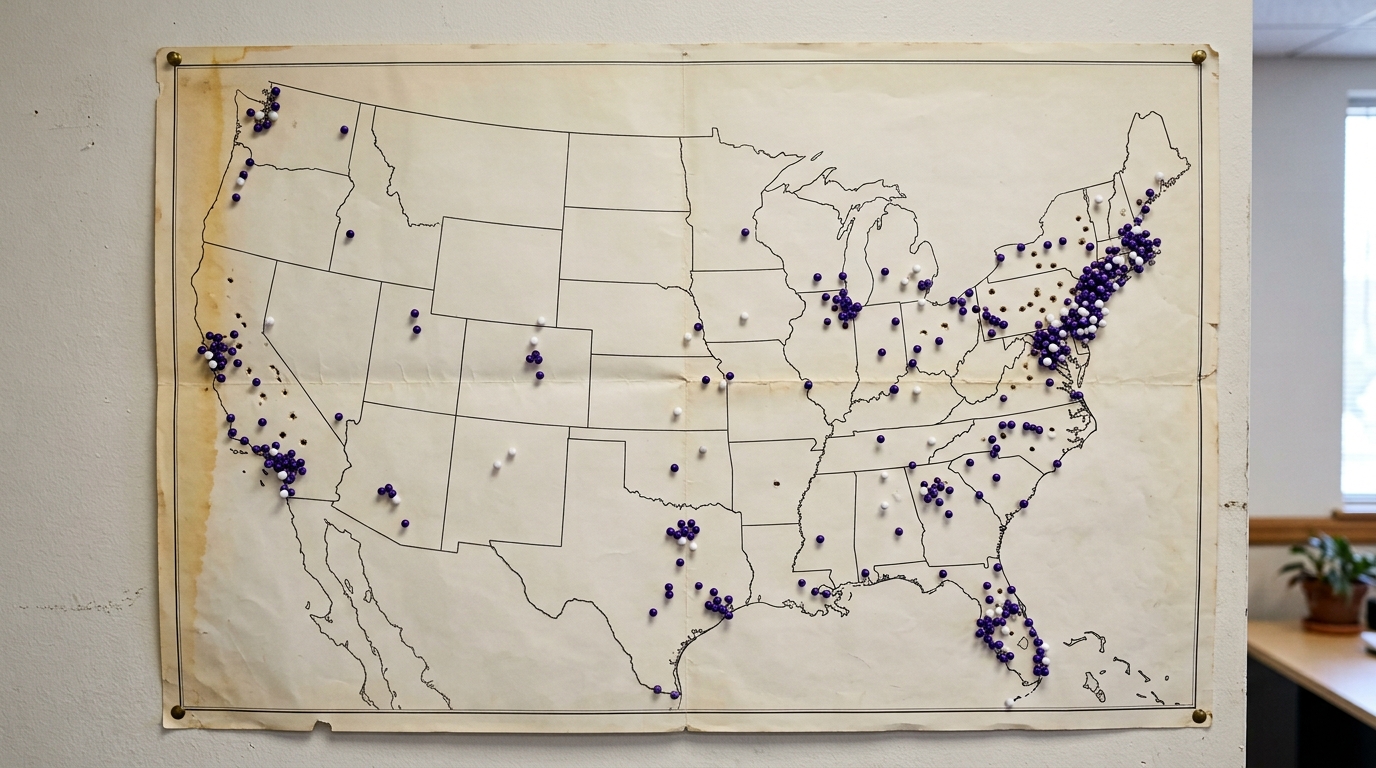
Best Business Data APIs for Sales Teams & Prospecting

Business Data API: Company Data at Enterprise Scale

How to Build a Product Database With a Product Data API

Property Data API Coverage: What U.S. Datasets Include

Product Data API for Ecommerce Price Monitoring and Repricing

Real-Time Product Data API for Product-Led Growth Teams

Property Ownership Data API for Skip Tracing and Lead Gen

How APIs Make Building a Product Database Easy
Learn how to build a product database with APIs for cleaner imports, updates, search, and scalable product data.

How to Leverage Competitor Pricing Data with an API
Use competitor pricing data to build API-driven monitoring, analysis, and smarter pricing decisions.

Price Monitoring API: The Key to E-Commerce Pricing Strategy
Use a price monitoring API to track market changes, improve pricing decisions, and protect ecommerce margins.

How do Product Data APIs Work for E-Commerce Companies?
Learn how a product data API works, from collection and queries to ecommerce integration and use cases.

GTIN Lookup API: Search Products by Barcode & UPC at Scale

Best Real Estate API 2026: Coverage, Pricing, Data Quality

Best Product Data API 2026: A State-of-the-Market Guide

Product Data API Integration Patterns for Ecommerce Platforms

Build a PropTech MVP With a Property Ownership Data API
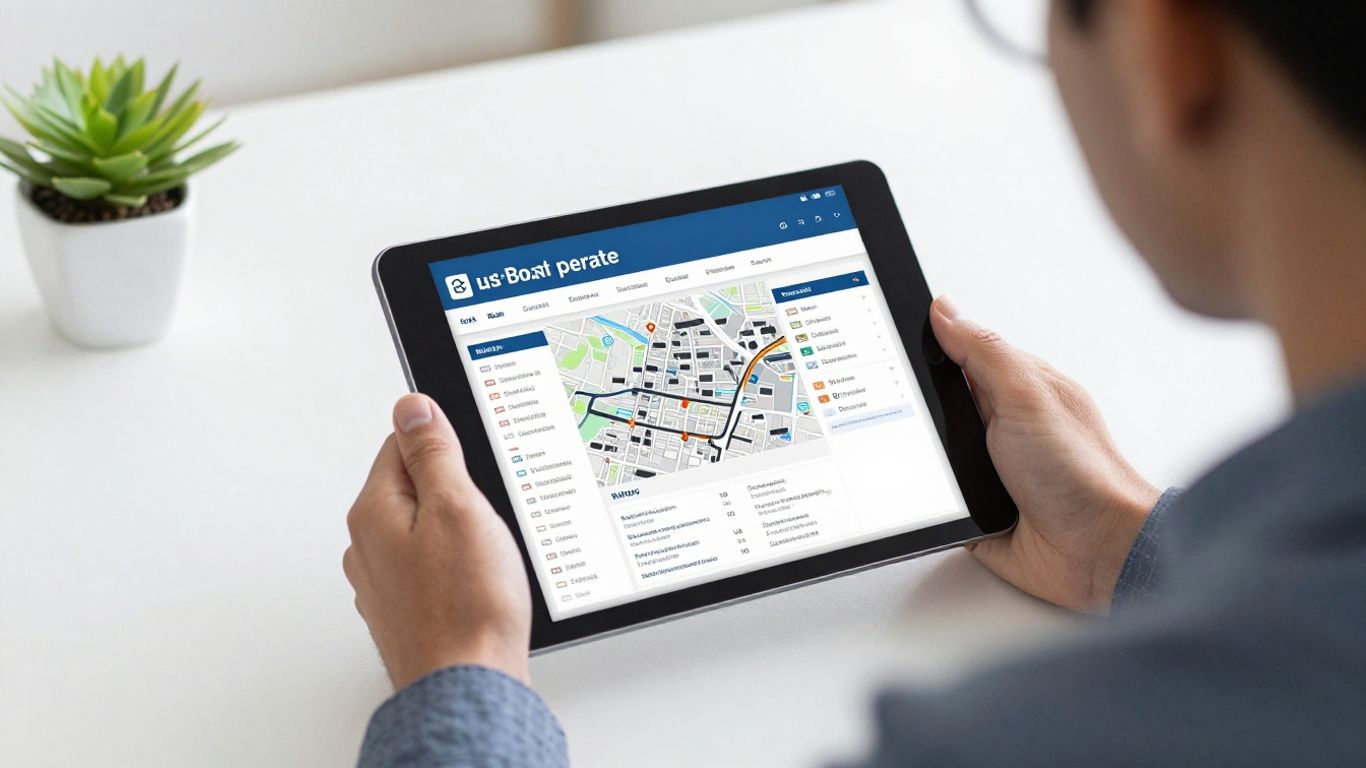
How Real Estate Agents Can Leverage Proptech Data
Leverage proptech data to source leads, speed up valuations, and manage risk with accurate, real-time property insights.

What Is a UPC Lookup API?
Learn about the UPC lookup API, how it works, and its benefits for businesses. Get product data easily.

What Is a GTIN Lookup API?
Learn about the GTIN lookup API and how it can help your business grow. Get product data insights.

How Does a Property Data API Work?
Learn how a property data API works, its features, and how you can use it for real estate and business insights.

What The Best Real Estate APIs Should Have
Discover what makes the best real estate APIs stand out. Learn about essential features for your property data needs.

MLS Listings API: How to Access MLS Listing Data
.png)
How to Enrich Your Product Catalog With a Real-Time API
.jpeg)
Product Data API Buyer's Guide for Ecommerce Teams

Why Real Estate Tech Startups Need Property APIs with Ownership Details
Discover how property APIs with ownership details empower real estate tech startups. Learn about data integration, risk mitigation, and driving business value.
The Value of a Product Catalog Sync for Product Managers
Unlock the value of product catalog sync for product managers. Streamline data, improve decisions, and reduce costs with real-time insights.

What is a Product Data Webhook?
Learn about product data webhooks, their components, and how they enable real-time updates for business intelligence and workflow automation.

Why Is a Product Data API Integration Essential for Analysts & Product Managers?
Unlock insights with product data API integration. Essential for analysts & product managers to streamline data access & enhance product strategy.

What Is a Product Data API and Its Benefits
Learn about product data APIs, their benefits, and how they drive business growth. Explore integration and advanced use cases.

What Do eCommerce Data Vendors Do?
Learn what ecommerce data vendors do, their services, and how to choose the right one for your business growth.

How to Compare Product Data Providers: What to Look For
Compare product data providers. Learn what to look for in data quality, structure, and integration features.

How to Get Your Product Data in Real-Time Using APIs
Learn how to leverage real-time product data APIs for e-commerce, competitive analysis, and AI. Get instant access to clean, structured product data.

Best Product Data API: Features to Look for
Find the best product data API with real-time updates, comprehensive coverage, and a user-friendly portal. Explore features to look for.

Unlocking Property Data with an API
Access property data with a powerful property database API. Explore listings, market analysis, investment opportunities, and more. Get started today!

Unlocking CRE with APIs
Unlock commercial real estate insights with a powerful API. Access property data, streamline workflows, and enhance investment strategies.

How to Get a Real-Time Product Feed Using an API
Learn how to get a real-time product feed using an API. Access, leverage, and ensure accuracy of product data for your business needs.

Spying on Competitor Prices: What You Need to Know
Learn how to gather and analyze competitor pricing data to inform your business strategy. Understand key components and ethical considerations.

Product Data Enrichment: What Are You Missing?
Enhance your product data with comprehensive enrichment. Discover insights, drive growth, and choose the right approach for your business.
.png)
Real Estate API Pricing Models Explained: Subscription vs. Usage-Based

Real Estate API vs Web Scraping: The Buy-vs-Build Decision
.png)
Product Data APIs Explained: Powering Product Search and Catalog Automation

How to Get the Most out of a Product Catalog API
Learn how to leverage a product catalog API for business growth. Discover data quality, access methods, and strategy for your product catalog API.

Taming Your Ecommerce Product Data Feed
Optimize your ecommerce product data feed for growth. Learn strategies, leverage technology, and ensure data quality for better customer experience and AI initiatives.

Streamlining Your Product Search with an API
Explore the benefits and integration of a product search API. Streamline your product discovery and leverage data for business growth.

What Is a Real Estate Transaction Database? A Complete Guide
.png)
Commercial Real Estate API vs. Residential Property API
.png)
How to Choose a Real Estate Database API for Your MVP

Property Valuation API: Your Go-To Real Estate Tool
Leverage the property valuation API for real estate insights. Access comprehensive property data for diverse applications with Datafiniti.

Product Data APIs Explained
Learn about product data APIs explained. Discover how to access, integrate, and utilize product data for e-commerce, analytics, and more.

Unlocking Your Ecommerce Data with APIs
Unlock ecommerce data with APIs for business insights, product catalog enrichment, and competitive analysis. Explore data via portal or API.
Real Estate Ownership Data: How to Access, Analyze and Use at Scale
Access, analyze, and use real estate ownership data at scale. Learn how to find, process, and leverage this crucial information for business insights.

IDX vs MLS API: What Every Real Estate Professional Should Know

How a Property Database API Can Help Real Estate Pros
Learn how a property database API can help real estate pros analyze trends, monitor listings, and optimize strategies. Get data insights.

What Is a Residential Property API?
Explore what a residential property API is, its features, benefits, and real-world applications for real estate professionals and investors.

What Is a Commercial Real Estate API?
Explore commercial real estate API functionality, data integration, and use cases. Learn how to leverage property, business, and people data for insights.

Understanding MVP Data Integration
Learn about MVP data integration, its components, benefits, and strategies for accessing and utilizing data resources effectively.
How to Choose the Best Property Data API
Learn how to choose the best property data API. Explore features, providers, pricing, and integration for real estate insights.

How Do Product Data APIs Work?
Understand how a product data API works, its key features, integration methods, and applications for e-commerce and business intelligence.

How Do Data Aggregation Platforms Work?
Explore how data aggregation platforms work, their capabilities, and applications. Learn to choose and implement the right platform for your business intelligence needs.

Why Do Companies Need Property Data Aggregation?
Discover why property data aggregation is crucial for businesses. Streamline access, empower functions, enhance risk management, and drive strategic decisions with authoritative insights.

MLS Database API: How to Choose a Provider and Get Access

Product Search API vs. Product Data API: What's the Difference?

What Is a Product Data API?
Explore the functionality and benefits of a product data API. Learn how to integrate, leverage, and choose the right provider for your business insights.
What Is the Difference Between Product Search API and Product Data API?
Understand the difference between Product Search API and Product Data API. Learn how to leverage product data for business intelligence and analytics.

What Is a Property Data API?
Explore the capabilities of a property data API. Understand its core functionality, key features for developers, and how to access property information at scale for business insights.
.png)
Real Estate API Pricing: What You Need to Know Before You Build
.jpeg)
How to Choose a Property Market API for Investment Platforms
Choosing the right property market API is critical for investment platforms. Learn how to evaluate data depth, coverage, freshness, and integration quality before you commit.
Data you can trust, delivered in a format your systems can use, at the scale your product requires.