

Do I Need a Real Estate Listing API?
You're thinking about getting a real estate listing API, and that's a smart move. Accessing property data can really help your business, whether you're building an app, investing, or trying to sell more. But with so many options out there, how do you know if you need one and which one is right for you? Let's break down what a real estate listing API is and why it might be just what you're looking for.
Key Takeaways
- A real estate listing API gives you direct access to property data, making it easier to build applications or make informed business decisions.
- Integrating property data can improve your tech products, help with investment strategies, and streamline sales and marketing efforts.
- Look for APIs that provide fresh, accurate, and standardized data to avoid extra work cleaning it up.
- When choosing a provider, check their property coverage, pricing, and how well they support developers.
- Consider how the API's structure and filtering options will fit with your existing systems and testing needs.
Understanding the Need for a Real Estate Listing API
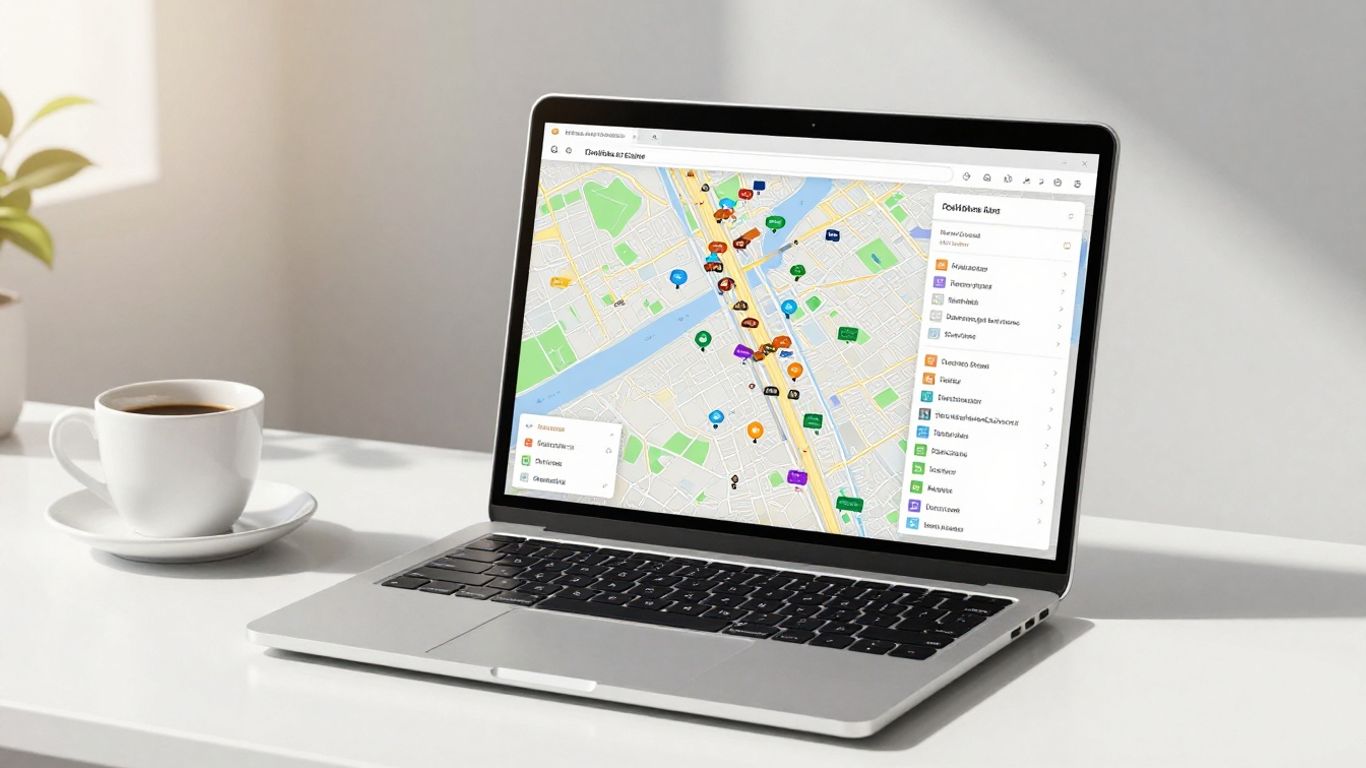
So, you're thinking about getting into the real estate data game, huh? Maybe you've got a cool idea for a proptech app, or perhaps you're looking to supercharge your investment strategy. Whatever your goal, you've probably stumbled across the term "Real Estate Listing API" and are wondering if it's something you actually need. Let's break it down.
What is a Real Estate Listing API?
Think of an API (Application Programming Interface) as a messenger. It takes your request, goes to a specific data source, grabs the information you asked for, and brings it back to you. In the real estate world, a Property Data API does just that, but for property listings and related information. Instead of manually sifting through websites or dealing with clunky data files, an API lets your software directly access a vast database of property details. This could include everything from active listings and sale history to property characteristics and tax information. It's like having a direct line to the pulse of the real estate market, available whenever your application needs it. You can get specific details like active listings or historical sales data, all delivered in a structured format.
Benefits of Integrating Real Estate Data
Why bother with all this technical stuff? Well, integrating real estate data through an API can really change the game for your business. For starters, it means you're working with up-to-date information. Imagine your app showing the absolute latest listings, or your investment model factoring in the most recent sales. That kind of accuracy is a huge advantage. It also means you can automate a lot of tasks that would otherwise be manual and time-consuming. Instead of copying and pasting data, your systems can pull it in automatically. This frees up your team to focus on more strategic work, like analyzing trends or connecting with clients, rather than just data wrangling. Plus, having access to a wide range of property details allows for more sophisticated analysis and better-informed decisions.
Key Features of a Property Data API
When you're looking at property data APIs, there are a few things that really make a difference. First off, coverage and breadth are key. Does the API cover the areas and property types you're interested in? You'll want to know if it includes single-family homes, multi-family units, commercial properties, and land, across the U.S. or specific regions. Then there's data freshness and update cadence. How often is the data refreshed? For active listings, you ideally want updates within 24 hours, while off-market properties might be updated less frequently. A good API provider will be clear about this. Finally, data structure and standardization are super important. Is the data presented in a consistent, easy-to-understand format? A unified dataset that minimizes your preprocessing workload means you can start using the data right away without spending ages cleaning it up. This is where providers like Datafiniti really shine, offering standardized data across millions of properties.
Leveraging Real Estate Data for Business Growth
So, you've got access to a real estate listing API, and now you're probably wondering, 'What can I actually do with all this data?' It's a fair question. Having a firehose of property information is one thing, but turning it into actual business growth is another. Let's break down how you can put this data to work.
Enhancing Proptech Products with Real-Time Listings
If you're building anything in the proptech space – think property management software, investment platforms, or even just a slick real estate search website – up-to-the-minute listing data is your lifeblood. Imagine a user searching for a home. They want to see what's actually available right now, not what was listed last week and is already under contract. An API gives you that real-time feed. You can populate maps with active listings, show detailed property attributes, and even track changes like price drops or new photos. This keeps your users engaged and coming back because they trust your platform to have the most current information. It's about making your product feel alive and responsive to the market. For instance, you could build a feature that alerts users the moment a property matching their exact criteria hits the market, giving them a serious edge.
Powering Real Estate Investment Strategies
For real estate investors, data isn't just helpful; it's the foundation of smart decisions. A property data API can feed into tools that help you analyze potential deals. You can look at historical sales data to understand price trends in a neighborhood, check current market values, and even identify properties that might be undervalued or off-market. This kind of detailed information helps you move beyond gut feelings and make data-driven investment choices. You might use the data to:
- Perform comparative market analysis (CMA) automatically.
- Identify areas with high rental demand based on listing activity.
- Spot properties with recent ownership changes that might signal an opportunity.
Having this data readily available means you can evaluate more opportunities faster, which is key in a competitive market. You can even compare top real estate data APIs to see which best fits your investment analysis needs real estate data APIs.
Streamlining Sales and Marketing Efforts
Sales and marketing teams can also gain a lot from property data. Instead of casting a wide net, you can use the data to target your efforts more precisely. For example, if you're marketing luxury properties, you can filter for listings in specific high-end zip codes or with certain architectural styles. If you're a mortgage broker, you can identify newly listed homes or properties that have recently sold to understand market activity and potential client needs. This targeted approach means less wasted effort and a higher chance of connecting with the right audience. You can segment potential leads based on property type, value range, or even ownership attributes, making your outreach much more effective.
Data Quality and Accessibility in Real Estate APIs
When you're looking at real estate data, two things really matter: how good the information is and how easy it is to get. It's no use having access to a ton of listings if half of them are outdated or just plain wrong. You need data that's accurate and up-to-date, and you need to be able to get it without a huge hassle.
Ensuring Data Freshness and Update Cadence
Think about it: a property listed for sale yesterday might have a price change today, or it could go under contract. If your data source isn't updated frequently, you're working with old news. For active listings, you ideally want updates within 24 hours. Off-market properties might not need daily checks, but a refresh every few weeks is still important. This constant updating, or cadence, is what keeps your information relevant. It covers new listings, price adjustments, tax changes, and even shifts in property attributes. Without a good update schedule, your data quickly loses its usefulness, especially in fast-moving markets.
The Importance of Unified and Standardized Datasets
Imagine getting property data from a dozen different places. Each one might have its own way of listing things – one might call a "condo" a "townhouse," another might use different codes for property types. It's a mess to sort through. A good real estate API provider will take data from various sources, clean it all up, and put it into one consistent format. This means a "single-family home" is always listed as such, and all the details are organized in the same way, no matter where the original information came from. This standardization saves you a massive amount of time and effort that would otherwise be spent cleaning and organizing the data yourself. It makes comparing properties and running analyses much simpler. You can find resources that compare different data providers to see which offers the most unified approach free real estate data providers for 2026.
Accessing Data Through Portals, APIs, and Bulk Downloads
How you get the data is just as important as the data itself. Most providers offer a few ways to access their information. A web portal is great for quick searches and getting a feel for the data without needing any technical skills. You can often filter and view details right there. For more integrated solutions, an API is the way to go, letting you pull data directly into your own applications or systems. Then there are bulk downloads, which are perfect if you need large chunks of data for in-depth analysis or machine learning projects. Having these different access methods means you can choose the one that best fits your workflow, whether you're a solo analyst or part of a large development team. Understanding how to work with MLS data through APIs is also a key consideration for many MLS database APIs for real estate software integration.
Choosing the Right Real Estate Listing API Provider

So, you've decided a real estate listing API is the way to go. That's great! But now comes the part where you have to pick the right one. It's not just about finding any API; it's about finding one that fits your business needs like a glove. Think of it like picking a contractor for a big renovation – you want someone reliable, who knows their stuff, and won't break the bank.
Evaluating Coverage and Breadth of Property Data
First things first, you need to look at what kind of data the API actually provides. Does it cover the areas you're interested in? Are you looking for national coverage, or just a specific state or city? Some APIs might have tons of data for major metropolitan areas but fall short in rural regions. You'll want to check if they cover different property types too – single-family homes, condos, multi-family units, commercial spaces, and even land. A provider like Datafiniti, for instance, offers broad coverage across the U.S. for various property types, which can be a big plus if your needs are diverse. It's also worth asking about historical data. Sometimes, knowing what happened in the past is just as important as knowing what's happening now.
Understanding Pricing Models and Scalability
Pricing is obviously a big one. APIs often have different pricing structures. Some charge per API call, others have monthly subscription tiers based on data volume, and some might offer custom enterprise plans. You need to figure out what makes the most sense for your budget and how much data you anticipate using. A pay-as-you-go model might seem cheap at first, but if your usage spikes, it can get expensive fast. On the flip side, a large monthly commitment might be overkill if you're just starting out. Look for providers that offer flexible plans that can scale with your business. Many offer a free trial, which is a smart way to test the waters before committing. This lets you see how much data you actually use and if the pricing aligns with your projections. You can find a list of various real estate APIs to compare here.
Assessing Documentation and Developer Support
This is super important, especially if you have a technical team or if you're the one doing the integration. Good documentation is like a clear instruction manual. It should explain how to use the API, what data fields are available, and provide examples. If the documentation is confusing or incomplete, you're going to waste a lot of time trying to figure things out. Beyond documentation, consider the level of developer support. Do they have a support team you can reach out to when you get stuck? Are they responsive? Some providers offer dedicated account managers, which can be really helpful for troubleshooting or getting recommendations. A provider that makes it easy to get started, like Datafiniti with its clear documentation and options for working with an account manager, can save you a lot of headaches down the road.
Technical Considerations for API Integration
When you decide to integrate a real estate listing API into your systems, there are a few technical points you'll want to think about. It's not just about getting the data; it's about how you get it, how it's structured, and how you can actually use it effectively. Getting this right from the start can save a lot of headaches down the road.
API Query Flexibility and Filtering Capabilities
Think about how you'll actually ask the API for the data you need. A good API should let you be pretty specific. You don't want to pull down thousands of listings just to find the few that match your criteria. Look for APIs that offer robust filtering options. This might include:
- Location-based searches: Can you search by address, zip code, city, or even a geographic radius around a specific point? This is pretty standard, but the precision can vary.
- Property attribute filters: Can you filter by property type (single-family, condo, etc.), number of bedrooms or bathrooms, square footage, or year built? The more specific you can get here, the better.
- Status and activity filters: It's often important to know if a property is active, pending, or recently sold. APIs that let you filter by these statuses are very useful.
- Date-based filtering: Sometimes you need data from a specific time frame, like listings added in the last month or sales that closed last quarter. Being able to filter by date ranges is key for historical analysis or tracking market trends.
Having flexible query options means you can get exactly the data you need without having to process large amounts of irrelevant information on your end. This makes your applications faster and more efficient. For example, if you're building a tool for real estate investors, you'll want to be able to quickly find properties within a certain price range and with specific features in a target neighborhood. Real-time MLS® APIs often provide these kinds of granular search capabilities.
Data Structure and Field Groupings
Once you get data back from an API, how is it organized? A well-structured dataset is much easier to work with. Look for APIs that present data in a clear, logical format, often using JSON. It's helpful if the fields are grouped into sensible categories. For instance, instead of a long, flat list of every single detail, you might see sections for:
- Basic Property Information: Address, property type, year built, lot size.
- Listing Details: Price, status, listing agent, days on market.
- Financials: Tax information, estimated mortgage payments.
- Property Characteristics: Number of bedrooms/bathrooms, square footage, features like a pool or garage.
This kind of organization makes it easier for developers to understand the data and integrate it into applications. It also helps non-technical users who might be exploring the data through a portal or sample exports. When data is presented in a unified schema, it minimizes the amount of preprocessing your team needs to do, letting you focus on analysis rather than data cleanup.
Testing and Validation During API Evaluation
Before you commit to a provider, you absolutely need to test their API. Most providers offer a free trial, which is your chance to really put the API through its paces. During your trial, you should:
- Make authenticated API calls: Ensure you can connect and get responses.
- Test filtering and parameter structures: Try out various combinations of filters to see if you get the results you expect. Does searching by a specific address return the correct property? Does filtering by price range work as intended?
- Run example queries: Use the examples provided in the documentation, and then try to create your own based on your specific use cases.
- Explore response formats: Look at the structure of the data returned. Is it easy to parse? Are the field names clear?
- Validate how the data fits your workflow: This is the most important part. Can your application or process integrate the data cleanly? Does the data's freshness meet your needs? Does the coverage include the markets you care about?
It's also a good idea to see how the API behaves during the trial period compared to how it would in a production environment. The goal is to confirm that the API is stable, reliable, and provides the data in a format that works for your business needs. MLS data integration can revolutionize workflows, but only if the technical aspects are sound.
Real Estate Data for Specialized Applications
Beyond the typical search and marketing uses, real estate data plays a vital role in more specialized business functions. If your operations involve risk assessment, financial transactions, or detailed property analysis, a robust data API can be a game-changer.
Underwriting and Lending Workflows
When it comes to loans and mortgages, accuracy and risk assessment are paramount. Lenders and underwriters need to verify property details, understand transaction histories, and assess the overall value of the collateral. Property data APIs can provide this information directly, streamlining the loan origination process.
- Property Characteristic Validation: Confirming details like square footage, number of bedrooms, and lot size against official records. This helps prevent errors and ensures the loan is based on accurate property information.
- Transaction History Review: Analyzing past sales, financing events, and ownership changes can reveal patterns or red flags that might impact loan risk.
- Appraisal Support: Supplementing appraisal reports with up-to-date market data and comparable sales can lead to more informed valuations.
Fraud Detection and Address Validation
In an increasingly digital world, preventing fraud is a constant challenge. Real estate data can be a powerful tool in this fight, especially for businesses dealing with online transactions or high-value assets.
- Address Verification: Ensuring that a property address is legitimate and matches known records can help prevent fraudulent transactions. For instance, checking if a shipping address for a high-value item is a vacant or recently sold property could flag suspicious activity.
- Identifying Unusual Patterns: An API can help detect anomalies, such as multiple loan applications for the same property in a short period or discrepancies in property ownership details.
- Collateral Assessment: For businesses offering services that involve physical goods or property, verifying the legitimacy and status of an address can be a key step in risk management. This can be integrated into your fraud prevention workflows.
Market Analysis and Trend Identification
For investors, developers, and market analysts, understanding the nuances of real estate markets is key to making profitable decisions. Access to detailed, up-to-date property information allows for sophisticated analysis.
- Identifying Undervalued Properties: By comparing property attributes, transaction history, and current market conditions, investors can pinpoint opportunities for profit.
- Tracking Neighborhood Trends: Analyzing sales data, price changes, and listing activity within specific geographic areas can reveal emerging trends and investment potential.
- Forecasting Market Shifts: Aggregating and analyzing data across large portfolios or regions can help predict future market movements and inform strategic planning. Information from various sources can be unified for better insights.
Need special real estate information for your unique projects? We have just the data you're looking for. Whether you're building a new app or doing special research, our detailed property information can help. Want to see how it works for you? Visit our website today to learn more and get started!
So, Do You Need a Real Estate Listing API?
Ultimately, whether you need a real estate listing API comes down to what you're trying to achieve. If you're just casually browsing properties or need basic information for a single transaction, probably not. But if you're building an application, running a business that relies on property data, or need to analyze market trends on a larger scale, then yes, an API like the one from Datafiniti could be a game-changer. It offers a structured way to access a lot of data quickly, saving you time and effort compared to trying to gather it all manually. Think about your specific needs, the volume of data you require, and how you plan to use it. If those point towards needing consistent, up-to-date property information integrated into your systems, then exploring an API is definitely worth your consideration.
Frequently Asked Questions
What exactly is a real estate listing API?
Think of a real estate listing API as a special messenger. It helps computer programs get up-to-date information about properties for sale or rent. Instead of manually searching websites, your program can ask the API for details like price, location, number of rooms, and more, and get the answers instantly. It's like having a direct line to a huge database of property listings.
Why would my business need data from a real estate API?
If your business is involved with real estate in any way, having access to current property data can be a game-changer. It can help you build better apps for buyers and sellers, make smarter investment choices, or even improve how you market properties. Basically, it gives you the information you need to make better decisions and offer better services.
How often is the property data updated?
The data is updated very regularly to keep it fresh. Properties that are actively for sale or have recently sold are usually updated within 24 hours. Properties that aren't currently on the market are updated every few weeks. This quick turnaround means you're likely to have the most current information available.
Can I test the API before committing to a plan?
Absolutely! Most providers offer a free trial. During this trial, you can use the API just like you would with a paid plan. You can make test requests, see how the data is formatted, and check if it works well with your systems. It's a great way to make sure it's the right fit before you pay.
What if I need a lot of data, not just a few listings?
That's where bulk downloads and different subscription plans come in. You can often download large sets of data all at once, which is useful for big projects or analysis. Plans are usually based on how many records you need each month, so you can choose one that fits your usage and scale up as your needs grow.
Is the data accurate and reliable?
Reputable providers work hard to ensure their data is clean and accurate. They gather information from many sources, like public records and listings, and then organize and check it. While no data source is perfect 100% of the time, they aim for high quality and provide tools to help you validate the information you receive.
Read the latest articles

Read more

Build vs Buy: Business Data Enrichment for Growing Teams

Company Data API Pricing: Bulk & Enterprise-Scale Access

Best Business Data APIs for Sales Teams & Prospecting

Business Data API: Company Data at Enterprise Scale

How to Build a Product Database With a Product Data API

Property Data API Coverage: What U.S. Datasets Include

Product Data API for Ecommerce Price Monitoring and Repricing

Real-Time Product Data API for Product-Led Growth Teams

Property Ownership Data API for Skip Tracing and Lead Gen

How APIs Make Building a Product Database Easy
Learn how to build a product database with APIs for cleaner imports, updates, search, and scalable product data.

How to Leverage Competitor Pricing Data with an API
Use competitor pricing data to build API-driven monitoring, analysis, and smarter pricing decisions.

Price Monitoring API: The Key to E-Commerce Pricing Strategy
Use a price monitoring API to track market changes, improve pricing decisions, and protect ecommerce margins.

How do Product Data APIs Work for E-Commerce Companies?
Learn how a product data API works, from collection and queries to ecommerce integration and use cases.

GTIN Lookup API: Search Products by Barcode & UPC at Scale

Best Real Estate API 2026: Coverage, Pricing, Data Quality

Best Product Data API 2026: A State-of-the-Market Guide

Product Data API Integration Patterns for Ecommerce Platforms

Build a PropTech MVP With a Property Ownership Data API

3 Benefits of Web Scraping for Real Estate
Boost your research by using web scraping for real estate to gain market insights, automate lead lists, and minimize property risk.
How Real Estate Agents Can Leverage Proptech Data
Leverage proptech data to source leads, speed up valuations, and manage risk with accurate, real-time property insights.

What Is a UPC Lookup API?
Learn about the UPC lookup API, how it works, and its benefits for businesses. Get product data easily.

What Is a GTIN Lookup API?
Learn about the GTIN lookup API and how it can help your business grow. Get product data insights.

How Does a Property Data API Work?
Learn how a property data API works, its features, and how you can use it for real estate and business insights.

What The Best Real Estate APIs Should Have
Discover what makes the best real estate APIs stand out. Learn about essential features for your property data needs.
How to Access MLS Listing Data
Learn how to access MLS listing data using an MLS data API. Discover Datafiniti's solutions and integration tips.
.png)
How to Enrich Your Product Catalog With a Real-Time API
.jpeg)
Product Data API Buyer's Guide for Ecommerce Teams
Do I Need a Real Estate Listing API?
Explore the benefits and technicalities of a real estate listing API. Learn how to choose the right provider and integrate data for business growth.

Why Real Estate Tech Startups Need Property APIs with Ownership Details
Discover how property APIs with ownership details empower real estate tech startups. Learn about data integration, risk mitigation, and driving business value.
The Value of a Product Catalog Sync for Product Managers
Unlock the value of product catalog sync for product managers. Streamline data, improve decisions, and reduce costs with real-time insights.

What is a Product Data Webhook?
Learn about product data webhooks, their components, and how they enable real-time updates for business intelligence and workflow automation.

Why Is a Product Data API Integration Essential for Analysts & Product Managers?
Unlock insights with product data API integration. Essential for analysts & product managers to streamline data access & enhance product strategy.

What Is a Product Data API and Its Benefits
Learn about product data APIs, their benefits, and how they drive business growth. Explore integration and advanced use cases.

What Do eCommerce Data Vendors Do?
Learn what ecommerce data vendors do, their services, and how to choose the right one for your business growth.

How to Compare Product Data Providers: What to Look For
Compare product data providers. Learn what to look for in data quality, structure, and integration features.

How to Get Your Product Data in Real-Time Using APIs
Learn how to leverage real-time product data APIs for e-commerce, competitive analysis, and AI. Get instant access to clean, structured product data.

Best Product Data API: Features to Look for
Find the best product data API with real-time updates, comprehensive coverage, and a user-friendly portal. Explore features to look for.

Unlocking Property Data with an API
Access property data with a powerful property database API. Explore listings, market analysis, investment opportunities, and more. Get started today!

Unlocking CRE with APIs
Unlock commercial real estate insights with a powerful API. Access property data, streamline workflows, and enhance investment strategies.

How to Get a Real-Time Product Feed Using an API
Learn how to get a real-time product feed using an API. Access, leverage, and ensure accuracy of product data for your business needs.

Spying on Competitor Prices: What You Need to Know
Learn how to gather and analyze competitor pricing data to inform your business strategy. Understand key components and ethical considerations.

Product Data Enrichment: What Are You Missing?
Enhance your product data with comprehensive enrichment. Discover insights, drive growth, and choose the right approach for your business.
.png)
IDX vs MLS API: A Developer's Guide to Real Estate Listing Data
.png)
Real Estate API Pricing Models Explained: Subscription vs. Usage-Based

Real Estate API vs Web Scraping: The Buy-vs-Build Decision
.png)
Product Data APIs Explained: Powering Product Search and Catalog Automation

How to Get the Most out of a Product Catalog API
Learn how to leverage a product catalog API for business growth. Discover data quality, access methods, and strategy for your product catalog API.

Taming Your Ecommerce Product Data Feed
Optimize your ecommerce product data feed for growth. Learn strategies, leverage technology, and ensure data quality for better customer experience and AI initiatives.

Streamlining Your Product Search with an API
Explore the benefits and integration of a product search API. Streamline your product discovery and leverage data for business growth.
.png)
What Is a Real Estate Transaction Database? A Complete Guide

How Real Estate Platforms Access MLS Database APIs
.png)
Commercial Real Estate API vs. Residential Property API
.png)
How to Choose a Real Estate Database API for Your MVP
MLS API vs. IDX: What's the Diff?
MLS API vs IDX: Explore the differences in real estate data access, retrieval, and integration. Understand which solution fits your needs.

Scraping vs. APIs: Getting Real Estate Data
Compare web scraping vs real estate API for data acquisition. Learn the pros, cons, and best use cases for each method.

Property Valuation API: Your Go-To Real Estate Tool
Leverage the property valuation API for real estate insights. Access comprehensive property data for diverse applications with Datafiniti.

Product Data APIs Explained
Learn about product data APIs explained. Discover how to access, integrate, and utilize product data for e-commerce, analytics, and more.

Unlocking Your Ecommerce Data with APIs
Unlock ecommerce data with APIs for business insights, product catalog enrichment, and competitive analysis. Explore data via portal or API.

Real Estate Ownership Data: How to Access, Analyze and Use at Scale
Access, analyze, and use real estate ownership data at scale. Learn how to find, process, and leverage this crucial information for business insights.

IDX vs MLS API: What Every Real Estate Professional Should Know

How a Property Database API Can Help Real Estate Pros
Learn how a property database API can help real estate pros analyze trends, monitor listings, and optimize strategies. Get data insights.

What Is a Residential Property API?
Explore what a residential property API is, its features, benefits, and real-world applications for real estate professionals and investors.

What Is a Commercial Real Estate API?
Explore commercial real estate API functionality, data integration, and use cases. Learn how to leverage property, business, and people data for insights.

Understanding MVP Data Integration
Learn about MVP data integration, its components, benefits, and strategies for accessing and utilizing data resources effectively.

How to Choose the Best Property Data API
Learn how to choose the best property data API. Explore features, providers, pricing, and integration for real estate insights.

Real Estate Database API: What to Look for
Explore real estate database API options. Learn about data quality, features, and how to choose the right provider for your needs.

How Do Product Data APIs Work?
Understand how a product data API works, its key features, integration methods, and applications for e-commerce and business intelligence.

How Do Data Aggregation Platforms Work?
Explore how data aggregation platforms work, their capabilities, and applications. Learn to choose and implement the right platform for your business intelligence needs.

Why Do Companies Need Property Data Aggregation?
Discover why property data aggregation is crucial for businesses. Streamline access, empower functions, enhance risk management, and drive strategic decisions with authoritative insights.

MLS Database API: How to Choose a Provider and Get Access

Product Search API vs. Product Data API: What's the Difference?

What Is a Product Data API?
Explore the functionality and benefits of a product data API. Learn how to integrate, leverage, and choose the right provider for your business insights.
What Is the Difference Between Product Search API and Product Data API?
Understand the difference between Product Search API and Product Data API. Learn how to leverage product data for business intelligence and analytics.

What Is a Property Data API?
Explore the capabilities of a property data API. Understand its core functionality, key features for developers, and how to access property information at scale for business insights.
.png)
Real Estate API Pricing: What You Need to Know Before You Build
.jpeg)
How to Choose a Property Market API for Investment Platforms
Choosing the right property market API is critical for investment platforms. Learn how to evaluate data depth, coverage, freshness, and integration quality before you commit.
Data you can trust, delivered in a format your systems can use, at the scale your product requires.