
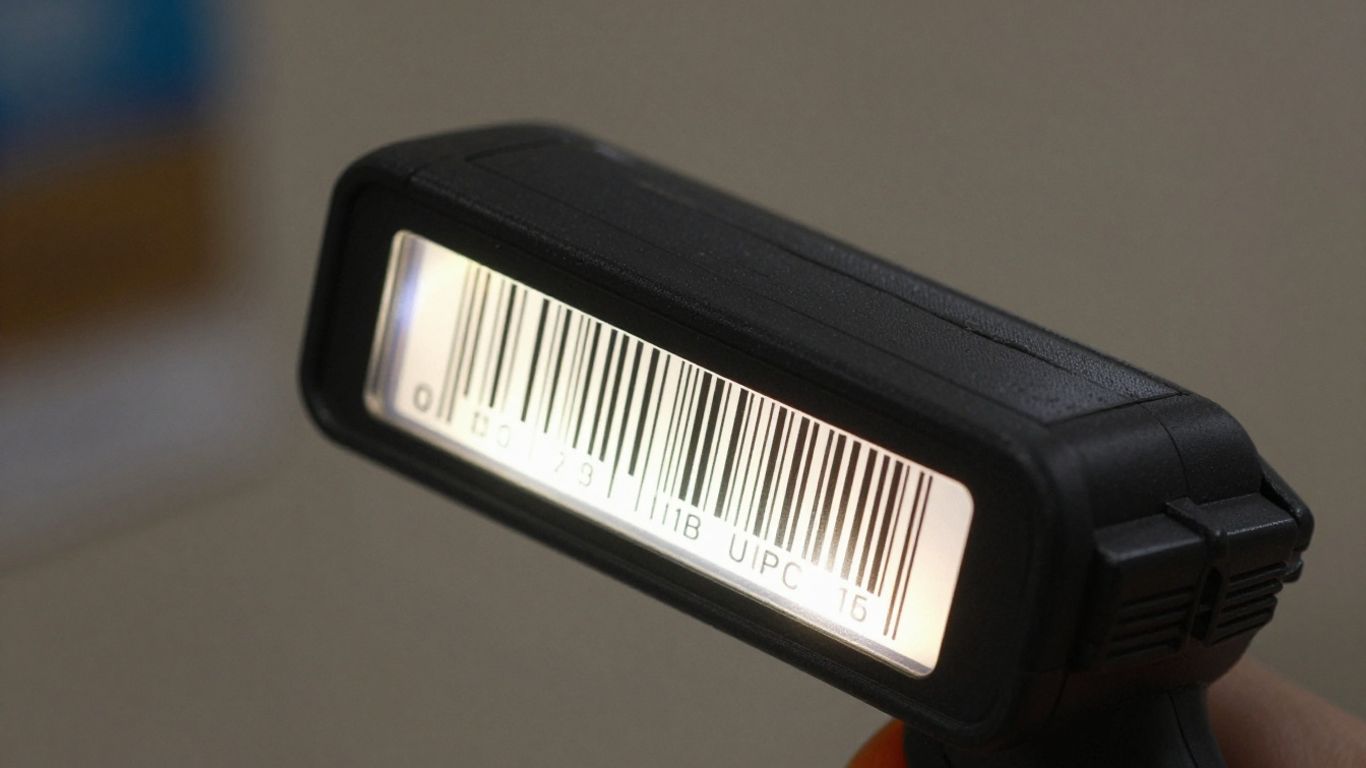
What Is a UPC Lookup API?
To wrap things up, here are the main points to remember about using a UPC lookup API. These are the core ideas that help you understand its value and how it can be applied.
Key Takeaways
- A UPC lookup API lets you find product details using a barcode number.
- It helps businesses get lots of product information quickly and easily.
- You can use it to make your online store better or to check out competitors.
- It helps keep your product information accurate and up-to-date.
- Choosing the right API provider means looking at data quality and pricing.
Understanding the UPC Lookup API

What is a UPC?
A UPC, or Universal Product Code, is a barcode symbology that is used in the United States, Canada, the United Kingdom, Australia, New Zealand, and other countries. It's a 12-digit number that uniquely identifies a specific retail product. Think of it as a product's fingerprint in the retail world. When you see that familiar black and white barcode on a product at the grocery store or on an online shopping site, chances are it's a UPC. This code is essential for tracking inventory, managing sales, and ensuring that the right product gets to the right place.
The Role of a UPC Lookup API
So, what exactly does a UPC lookup API do? In simple terms, it's a tool that lets your software or application query a database using a UPC. When you provide a UPC, the API searches its vast collection of product information and returns details about that specific item. This is incredibly useful for businesses that deal with a lot of products. Instead of manually looking up each item, you can automate the process. This is especially helpful if you're building an e-commerce site, managing inventory, or even just trying to understand what products are out there. It acts as a bridge between the physical product code and the digital information associated with it, making data retrieval much faster and more efficient. It's like having a super-fast librarian for product data.
Key Features of a UPC Lookup API
When you're looking at UPC lookup APIs, there are a few things that really stand out. You want an API that's not just functional but also robust. Here are some key features to consider:
- Product Identification: At its core, the API should accurately identify a product based on its UPC. This means returning details like the product name, brand, and manufacturer.
- Detailed Product Attributes: Beyond the basics, a good API will provide more in-depth information. This can include product descriptions, specifications, dimensions, weight, and even images.
- Categorization and Taxonomy: Understanding where a product fits in the market is important. The API should provide category information, helping you classify products accurately.
- Data Freshness: Product information changes. An effective API will have mechanisms to keep its data up-to-date, reflecting new products, updated pricing, or changes in availability. You don't want to be working with old information.
- Reliability and Speed: When you make a request, you want a fast and dependable response. The API should be available when you need it and return data quickly, especially if you're using it for real-time applications. A barcode scanner API can help bridge the gap between scanning and digital processing.
Leveraging Product Data with a UPC Lookup API
Once you have a UPC lookup API in place, you're not just getting a single piece of information; you're opening the door to a wealth of product details that can be used in many ways. Think of it as having a key to a vast library of product knowledge. This data can be incredibly useful for businesses of all sizes, from small online shops to large retail chains.
Accessing Comprehensive Product Information
A UPC lookup API goes beyond just identifying a product. It can provide a detailed profile for almost anything you can scan. This includes:
- Basic Identification: Product name, brand, manufacturer.
- Physical Attributes: Dimensions, weight, color, material.
- Categorization: Where the product fits in broader market segments.
- Pricing History: Past and current pricing trends, which is great for understanding market value.
- Availability: Which retailers carry the item and if it's in stock.
- Customer Insights: Reviews, ratings, and related product suggestions.
This level of detail is what allows businesses to really understand the products they are selling or competing with. For instance, an e-commerce store can use this to fill out product pages automatically, saving a lot of manual data entry. You can get this kind of detailed product data instantly to see what's available.
Enriching E-commerce Catalogs
Your online store's catalog is its storefront. The richer and more accurate the information, the better customers can find and understand what you offer. A UPC lookup API is a powerful tool for this. Instead of manually typing in every detail for thousands of products, you can use the API to pull in:
- Accurate Descriptions: Get standardized descriptions that are clear and informative.
- High-Quality Images: While the API itself might not provide images, it often provides links or identifiers that can be used to fetch them.
- Detailed Specifications: Technical specs, ingredients, or material information that customers often look for.
- Consistent Formatting: Ensure all your product listings look professional and uniform, regardless of who entered the data.
This not only improves the customer experience but also helps with search engine optimization (SEO), making your products more discoverable online. It's about making your catalog as complete and appealing as possible.
Competitive Analysis and Pricing Intelligence
Knowing what your competitors are doing is key to staying ahead. A UPC lookup API can be a secret weapon here. By looking up the same products your competitors sell, you can:
- Monitor Competitor Pricing: See how your prices stack up and identify opportunities to adjust them.
- Track Product Assortments: Understand what products your competitors are stocking and what they might be missing.
- Identify Market Gaps: Discover product categories or specific items that are in demand but not widely available.
- Analyze Promotions: Keep an eye on competitor sales and discounts.
This kind of market intelligence helps you make smarter business decisions, whether it's setting prices, deciding on inventory, or planning marketing campaigns. It’s like having a constant pulse on the market. Efficient workflows, much like those used in video production for events, can be applied to data gathering to ensure timely deliverables for your business needs.
Integrating a UPC Lookup API into Your Systems
So, you've decided a UPC lookup API is the way to go for your business. That's great! But how do you actually get it working with your existing setup? It's not as complicated as it might sound, and there are a few key areas to focus on to make the process smooth.
API Documentation and Developer Resources
First things first, you'll want to get familiar with the API's documentation. Think of this as the instruction manual. Good documentation is clear, detailed, and easy to follow. It should explain how to make requests, what kind of data you can expect back, and any limitations or rules you need to be aware of. Most providers offer a developer portal with this information, often including:
- Endpoint References: Details on the specific web addresses you'll use to get data.
- Request Parameters: What information you need to send with your request (like the UPC itself).
- Response Formats: How the data will be structured when you receive it (usually JSON).
- Authentication Methods: How you prove to the API that you're allowed to use it.
- Code Examples: Snippets in various programming languages to help you get started quickly.
Don't underestimate the value of these resources. They are your best friend when you're trying to connect your systems. If you're looking to optimize how your products appear in search results, understanding how an algorithm works can be really helpful for product visibility.
Scalable Data Integration Workflows
Once you understand how to talk to the API, you need to think about how the data will flow into your systems. Are you just looking up a few products now and then, or do you need to process thousands or even millions of items? The answer to this will shape your integration strategy.
- Real-time Lookups: For immediate needs, like checking a product's details when a customer asks, you'll likely make direct API calls as needed. This is straightforward but can get expensive if you do it a lot.
- Batch Processing: If you need to update your entire product catalog or run large analyses, fetching data in batches is more efficient. This might involve using the API to request specific sets of data or downloading larger files directly.
- Scheduled Imports: For ongoing updates, you might set up automated processes that pull data from the API on a regular schedule (daily, weekly, etc.) and load it into your database or data warehouse. This keeps your information fresh without constant manual intervention.
Choosing the right method depends on your specific use case and how often your data needs to be updated. For example, if you're managing a large e-commerce site, you might need a robust system for handling frequent updates.
Testing and Validation Processes
Before you fully commit to an API integration, testing is super important. You don't want to build a whole system only to find out the data isn't quite what you expected or that the API is too slow for your needs. Here’s what you should focus on during testing:
- Accuracy Checks: Compare the data you get from the API against known product information. Are the descriptions, prices, and other details correct?
- Performance Testing: How quickly does the API respond? Does it handle multiple requests without slowing down significantly? This is especially important if you have high traffic.
- Error Handling: What happens when something goes wrong? Does the API return clear error messages? Your system should be built to handle these gracefully.
- Coverage Verification: Does the API have data for the types of products you sell or are interested in? You might want to test with a variety of UPCs to see what's included.
Most API providers offer a free trial period, which is the perfect time to run these tests. It lets you experiment without financial commitment. Think of it like getting a home renovation quote; you want to make sure the contractor knows what they're doing before they start tearing down walls for your project.
Benefits of Using a UPC Lookup API

Using a UPC lookup API can really make a difference in how you handle product information. It's not just about getting data; it's about getting the right data, quickly and reliably. Let's break down why this tool is so helpful.
Streamlining Data Acquisition
Think about how much time you might spend manually searching for product details. It's a slow process, right? A UPC lookup API automates this. You send a UPC code, and bam – you get the product information back. This means less time spent on tedious searches and more time for actual work. It's like having a super-fast assistant who knows everything about every product.
- Instant Information Retrieval: Get product names, descriptions, brands, and more in seconds.
- Reduced Manual Effort: Frees up your team from repetitive data entry and lookups.
- Scalable Data Collection: Easily handle large volumes of product data without a proportional increase in manual work.
Improving Data Accuracy and Consistency
When multiple people are entering product data, mistakes happen. Different spellings, incorrect details, or outdated information can creep in. A UPC lookup API provides a single, authoritative source for product details. This consistency is key for everything from inventory management to customer-facing product listings. You can be more confident that the information you're using is correct and up-to-date. This is especially important if you're dealing with a large number of products or multiple sales channels. Having accurate data helps avoid customer confusion and returns. For instance, ensuring product attributes are correct can prevent issues down the line. Accurate product data is a foundation for good business operations.
Enabling Data-Driven Decision Making
With accurate and easily accessible product data, you can make smarter choices. Want to know which products are selling well? Need to compare pricing across different retailers? Or maybe you're looking to identify gaps in your product catalog? A UPC lookup API provides the raw material for this kind of analysis. You can track pricing trends, understand product popularity, and even spot opportunities for new product lines. This kind of insight is invaluable for staying competitive and growing your business. It helps you move beyond guesswork and base your strategies on real market information. For example, analyzing pricing intelligence can inform your sales strategies. Real estate data can also be accessed similarly to inform investment decisions.
Choosing the Right UPC Lookup API Provider
So, you've decided a UPC lookup API is the way to go for your business. That's great! But with so many options out there, how do you pick the one that actually fits your needs? It's not just about finding an API; it's about finding the right one. Let's break down what you should be looking at.
Evaluating Data Coverage and Freshness
First things first, you need to know if the API actually has the data you're looking for. Think about the types of products you deal with. Are they everyday consumer goods, specialized electronics, or maybe something else entirely? You'll want an API that covers a wide range of product categories. Some providers might have millions of products, but if they're mostly in categories you don't care about, that's not much help.
Beyond just how many products they have, consider how up-to-date that information is. Product details, prices, and availability change all the time. You don't want to be working with stale data. Look for providers that mention regular updates, maybe daily or even more frequently for certain data points. Some services update records on a rolling schedule, which is usually a good sign that they're keeping things current. It's like trying to use an old map – it might show you where things used to be, but it won't help you much today.
Understanding Pricing and Subscription Models
Okay, let's talk money. API pricing can get complicated, and you don't want any nasty surprises down the line. Most providers offer different plans based on how many records you need or how many API calls you make per month. It's important to figure out your expected usage. Are you just doing a few thousand lookups a month, or are you planning on processing millions of items?
Look for transparency in their pricing. Do they charge extra for API access? Are there different tiers that limit what features you can use? Ideally, you want a straightforward model. Many services offer a free trial, which is fantastic for testing the waters. This lets you see if the data quality is good and if the API is easy to work with before you commit. Some might offer a discount if you pay annually, which can be a good way to save money if you're in it for the long haul. Just make sure the plan you choose scales with your business needs. You don't want to be stuck paying for way more than you need, or worse, hitting a limit and having your service cut off.
Assessing Support and Ease of Integration
Even the best API can be a headache if it's hard to use or if you can't get help when you need it. Good documentation is key here. You'll want clear API documentation, schema references, and maybe even some example workflows. This makes it much easier for your development team to get up and running quickly. If the documentation is sparse or confusing, you might find yourself spending a lot of time trying to figure things out.
Think about the support they offer. Do they have a dedicated account manager who can help you validate coverage or choose the right plan? What about technical support? If you run into a bug or have a question about the data, you'll want to know you can get a timely response. Some providers make it easy to start with just an account and explore the data through a web portal before even diving into the API, which is great for less technical users. Ultimately, you want a partner who makes it easy to get the data you need without a lot of friction. Go-UPC is one provider that focuses on making their barcode API powerful and accessible.
Advanced Applications of UPC Data
Machine Learning and AI Training
Think about training a machine learning model. These models need a lot of data to learn patterns. UPC data, when accessed through an API, provides a structured way to get product details. You can use this data to train models for all sorts of things. For example, you could train a model to predict product demand based on historical sales data linked to UPCs. Or, you might train a model to automatically categorize new products based on their attributes, which you get from the UPC lookup. It's like giving your AI a massive product catalog to study. This kind of data is also great for building recommendation engines. If someone buys a product with a certain UPC, the system can look up similar items or complementary products. This is how you get those "customers who bought this also bought..." suggestions. The sheer volume of product information available through UPC lookups makes it a goldmine for data scientists looking to build smarter applications. You can even use it to train models that detect counterfeit products by comparing known product attributes against suspicious entries. It’s a powerful way to make AI more product-aware.
Inventory Management and Auditing
Keeping track of what you have in stock can be a real headache. A UPC lookup API can simplify this process quite a bit. Imagine you're doing a stocktake. Instead of manually typing in product names or descriptions, you can just scan the UPC. A quick API call pulls up the exact product details, making the process faster and less prone to errors. This is super helpful for large warehouses or stores with thousands of items. It also helps with auditing. You can cross-reference your inventory records against the data from the API to spot discrepancies. Did a product get mislabeled? Is the quantity in your system correct? The API can help answer these questions. It's also useful for managing product lifecycles. Knowing exactly which products you have, down to the specific UPC, helps you manage stock rotation, identify slow-moving items, and plan for new inventory arrivals. This kind of detailed tracking can prevent overstocking or stockouts, saving you money and keeping customers happy. It really helps keep your operations running smoothly.
Market Trend Analysis
Understanding what's popular and what's not is key to staying ahead in business. UPC data, when aggregated and analyzed, can reveal a lot about market trends. By looking at the sales volume or availability of products with specific UPCs over time, you can spot emerging trends. For instance, if you see a sudden surge in sales for products in a particular category, it might indicate a new trend is taking off. You can also use this data to see how competitors are performing. If a competitor suddenly starts stocking a lot of products with a certain UPC range, it might signal a strategic shift. Analyzing pricing changes across many UPCs can also show you how the market is reacting to economic factors or new product launches. This kind of market intelligence is invaluable for making informed decisions about product development, marketing strategies, and inventory planning. It gives you a real-time view of what consumers are buying and what the market is offering. You can even use this data to identify gaps in the market that you could fill with new products. It’s all about using the data to see the bigger picture. For more on how product data can inform your business, check out product data APIs.
UPC data can be used for more than just scanning items at the store. It unlocks powerful ways to understand products and markets. Want to see how this can help your business grow? Visit our website to learn more and request a personalized demo.
Conclusion
So, a UPC lookup API is a tool that helps you quickly find detailed information about products using their unique barcode numbers. It's like having a super-fast product encyclopedia at your fingertips. Whether you're running an online store, analyzing sales, or just curious about a product, this API can save you a lot of time and effort. By making it easier to get accurate product data, it helps businesses make smarter choices and work more efficiently. Think of it as a digital assistant for all things product-related.
Frequently Asked Questions
What exactly is a UPC?
A UPC, or Universal Product Code, is like a product's ID card. It's a barcode with numbers that uniquely identifies a specific item sold in stores. Think of it as a product's fingerprint.
How does a UPC lookup API help me?
It's a tool that lets you search for product info using that UPC code. Instead of manually searching, the API does it for you super fast, giving you details like the product name, brand, and sometimes even its price or description.
Can I use this for my online store?
Absolutely! If you have an online shop, a UPC lookup API can help fill in missing product details, make sure your descriptions are correct, and even help you compare prices with other sellers. It makes managing your products much easier.
Is the information from the API always correct?
Most of the time, yes. Good APIs get their data from reliable places. However, like any data source, it's always a good idea to double-check important information, especially if you're making big business decisions based on it.
Do I need to be a computer expert to use an API?
Not necessarily! While some technical know-how helps, many APIs come with clear instructions and support. You can often start by using their web tools before diving into the code. Think of it like learning to drive – you start with the basics.
What if I need data for many products?
That's where APIs really shine! They are built to handle lots of requests. You can often get data for thousands or even millions of products through an API, which would be impossible to do by hand.
Read the latest articles

Read more

Build vs Buy: Business Data Enrichment for Growing Teams

Best Business Data APIs for Sales Teams & Prospecting

Business Data API: Company Data at Enterprise Scale

How to Build a Product Database With a Product Data API

Property Data API Coverage: What U.S. Datasets Include

Product Data API for Ecommerce Price Monitoring and Repricing

Real-Time Product Data API for Product-Led Growth Teams

Property Ownership Data API for Skip Tracing and Lead Gen

How APIs Make Building a Product Database Easy
Learn how to build a product database with APIs for cleaner imports, updates, search, and scalable product data.

What Is Property Transaction Data and How Does an API Help Get It?
Learn how property transaction data works and how APIs provide structured access for analysis and workflows.

How to Use Real Estate Transaction Data
Learn how to use real estate transaction data for analysis, valuation, underwriting, and market decisions.

How to Leverage Competitor Pricing Data with an API
Use competitor pricing data to build API-driven monitoring, analysis, and smarter pricing decisions.

Price Monitoring API: The Key to E-Commerce Pricing Strategy
Use a price monitoring API to track market changes, improve pricing decisions, and protect ecommerce margins.

How do Product Data APIs Work for E-Commerce Companies?
Learn how a product data API works, from collection and queries to ecommerce integration and use cases.

Bulk Real Estate Data Licensing: Access Datasets at Scale

How to Integrate MLS Listings Using an MLS Data API

GTIN Lookup API: Search Products by Barcode & UPC at Scale

Best Real Estate API 2026: Coverage, Pricing, Data Quality

Best Product Data API 2026: A State-of-the-Market Guide

Product Data API Integration Patterns for Ecommerce Platforms

Build a PropTech MVP With a Property Ownership Data API

3 Benefits of Web Scraping for Real Estate
Boost your research by using web scraping for real estate to gain market insights, automate lead lists, and minimize property risk.
How Real Estate Agents Can Leverage Proptech Data
Leverage proptech data to source leads, speed up valuations, and manage risk with accurate, real-time property insights.
What Is a UPC Lookup API?
Learn about the UPC lookup API, how it works, and its benefits for businesses. Get product data easily.

What Is a GTIN Lookup API?
Learn about the GTIN lookup API and how it can help your business grow. Get product data insights.

How Does a Property Data API Work?
Learn how a property data API works, its features, and how you can use it for real estate and business insights.

What The Best Real Estate APIs Should Have
Discover what makes the best real estate APIs stand out. Learn about essential features for your property data needs.

The Benefits of a Real Estate MLS API
Learn about the benefits of a real estate MLS API for streamlining data access and driving business growth.

Why Every Real Estate Pro Needs an MLS Database API
Learn why a MLS database API is vital for real estate pros. Get data, insights, and competitive edge.
How to Access MLS Listing Data
Learn how to access MLS listing data using an MLS data API. Discover Datafiniti's solutions and integration tips.
.png)
How to Enrich Your Product Catalog With a Real-Time API
.jpeg)
Product Data API Buyer's Guide for Ecommerce Teams

Do I Need a Real Estate Listing API?
Explore the benefits and technicalities of a real estate listing API. Learn how to choose the right provider and integrate data for business growth.

Unlocking the MLS Database with APIs
Unlock the MLS database with APIs. Learn how to access property data, gain real estate insights, and integrate MLS data for your business needs.

Why Real Estate Tech Startups Need Property APIs with Ownership Details
Discover how property APIs with ownership details empower real estate tech startups. Learn about data integration, risk mitigation, and driving business value.
The Value of a Product Catalog Sync for Product Managers
Unlock the value of product catalog sync for product managers. Streamline data, improve decisions, and reduce costs with real-time insights.

What is a Product Data Webhook?
Learn about product data webhooks, their components, and how they enable real-time updates for business intelligence and workflow automation.

Why Is a Product Data API Integration Essential for Analysts & Product Managers?
Unlock insights with product data API integration. Essential for analysts & product managers to streamline data access & enhance product strategy.

What Is a Product Data API and Its Benefits
Learn about product data APIs, their benefits, and how they drive business growth. Explore integration and advanced use cases.

What Do eCommerce Data Vendors Do?
Learn what ecommerce data vendors do, their services, and how to choose the right one for your business growth.

How to Compare Product Data Providers: What to Look For
Compare product data providers. Learn what to look for in data quality, structure, and integration features.

How to Get Your Product Data in Real-Time Using APIs
Learn how to leverage real-time product data APIs for e-commerce, competitive analysis, and AI. Get instant access to clean, structured product data.

Best Product Data API: Features to Look for
Find the best product data API with real-time updates, comprehensive coverage, and a user-friendly portal. Explore features to look for.

Unlocking Property Data with an API
Access property data with a powerful property database API. Explore listings, market analysis, investment opportunities, and more. Get started today!

Unlocking CRE with APIs
Unlock commercial real estate insights with a powerful API. Access property data, streamline workflows, and enhance investment strategies.

How to Get a Real-Time Product Feed Using an API
Learn how to get a real-time product feed using an API. Access, leverage, and ensure accuracy of product data for your business needs.

Spying on Competitor Prices: What You Need to Know
Learn how to gather and analyze competitor pricing data to inform your business strategy. Understand key components and ethical considerations.

Product Data Enrichment: What Are You Missing?
Enhance your product data with comprehensive enrichment. Discover insights, drive growth, and choose the right approach for your business.
.png)
IDX vs MLS API: A Developer's Guide to Real Estate Listing Data
.png)
Real Estate API Pricing Models Explained: Subscription vs. Usage-Based

Real Estate API vs Web Scraping: Which Wins in 2026?
.png)
Product Data APIs Explained: Powering Product Search and Catalog Automation

Best Sources for Bulk Real Estate Transaction Data

How to Get the Most out of a Product Catalog API
Learn how to leverage a product catalog API for business growth. Discover data quality, access methods, and strategy for your product catalog API.

Taming Your Ecommerce Product Data Feed
Optimize your ecommerce product data feed for growth. Learn strategies, leverage technology, and ensure data quality for better customer experience and AI initiatives.

Streamlining Your Product Search with an API
Explore the benefits and integration of a product search API. Streamline your product discovery and leverage data for business growth.
.png)
Real Estate Transaction Databases: What You Need to Know
.png)
Best MLS API for Real Estate Software: What Developers Need

How Real Estate Platforms Access MLS Database APIs
.png)
Commercial Real Estate API vs. Residential Property API
.png)
How to Choose a Real Estate Database API for Your MVP
MLS API vs. IDX: What's the Diff?
MLS API vs IDX: Explore the differences in real estate data access, retrieval, and integration. Understand which solution fits your needs.

Scraping vs. APIs: Getting Real Estate Data
Compare web scraping vs real estate API for data acquisition. Learn the pros, cons, and best use cases for each method.

Cracking the Code: Housing Sales Insights
Unlock housing sales analytics insights with Datafiniti. Explore property data, market trends, and advanced techniques for strategic decisions.

Property Valuation API: Your Go-To Real Estate Tool
Leverage the property valuation API for real estate insights. Access comprehensive property data for diverse applications with Datafiniti.

Product Data APIs Explained
Learn about product data APIs explained. Discover how to access, integrate, and utilize product data for e-commerce, analytics, and more.

Unlocking Your Ecommerce Data with APIs
Unlock ecommerce data with APIs for business insights, product catalog enrichment, and competitive analysis. Explore data via portal or API.

Your Guide to Housing Sales APIs
Explore housing sales API data for insights. Access property data, integrate into applications, and gain business intelligence. Get started today!

Real Estate Ownership Data: How to Access, Analyze and Use at Scale
Access, analyze, and use real estate ownership data at scale. Learn how to find, process, and leverage this crucial information for business insights.

Unlocking Opportunities: Navigating Bulk Real Estate Transaction Data
Unlock opportunities with bulk real estate transaction data. Learn how to access, analyze, and leverage property data for investing, marketing, and more.
What Is a Property Sales Database?
Explore what a property sales database is, its core components, how to access data, and key use cases for real estate analysis and more.

Benefits of Obtaining Housing Transaction Data
Unlock insights with housing transaction data. Analyze markets, investments, sales, and risk. Get comprehensive property data for informed decisions.

Understanding Real Estate Transaction Databases
IDX vs MLS API: What Every Real Estate Professional Should Know
Understand IDX vs MLS API differences. Learn about data access, integration, and how Datafiniti's solutions empower real estate professionals.

What Is an MLS Database API?
Explore the MLS database API: understand its components, benefits, and how to access real estate data for various applications. Learn about its core functionality and technical aspects.

How a Property Database API Can Help Real Estate Pros
Learn how a property database API can help real estate pros analyze trends, monitor listings, and optimize strategies. Get data insights.

What Is a Residential Property API?
Explore what a residential property API is, its features, benefits, and real-world applications for real estate professionals and investors.

What Is a Commercial Real Estate API?
Explore commercial real estate API functionality, data integration, and use cases. Learn how to leverage property, business, and people data for insights.

Understanding MVP Data Integration
Learn about MVP data integration, its components, benefits, and strategies for accessing and utilizing data resources effectively.

How to Choose the Best Property Data API
Learn how to choose the best property data API. Explore features, providers, pricing, and integration for real estate insights.

Real Estate Database API: What to Look for
Explore real estate database API options. Learn about data quality, features, and how to choose the right provider for your needs.
.png)
Real Estate Transaction Database: An API Access Guide

How Do Product Data APIs Work?
Understand how a product data API works, its key features, integration methods, and applications for e-commerce and business intelligence.

How Do Data Aggregation Platforms Work?
Explore how data aggregation platforms work, their capabilities, and applications. Learn to choose and implement the right platform for your business intelligence needs.

Why Do Companies Need Property Data Aggregation?
Discover why property data aggregation is crucial for businesses. Streamline access, empower functions, enhance risk management, and drive strategic decisions with authoritative insights.

MLS API: The Complete Guide to Accessing MLS Listing Data

Product Search API vs. Product Data API: What's the Difference?

What Are the Best MLS Data API Features to Look For?
Discover the best MLS data API features, including real-time updates, bulk downloads, and flexible filtering for property data.

What Is a Product Data API?
Explore the functionality and benefits of a product data API. Learn how to integrate, leverage, and choose the right provider for your business insights.
What Is the Difference Between Product Search API and Product Data API?
Understand the difference between Product Search API and Product Data API. Learn how to leverage product data for business intelligence and analytics.

Guide to Accessing Real Estate Transaction Database Via API
Access real estate transaction data via API. Explore property insights, sales, underwriting, and advanced applications with our authoritative guide.

Is a Real Estate MLS API Beneficial?
Explore the benefits of a real estate MLS API for enhanced data access, streamlined workflows, and market responsiveness. Learn about key features and use cases.

What is an MLS Database API?
Explore the MLS database API for comprehensive property data access. Learn about its core functionality, key features, and integration into real estate technology.

What Is a Property Data API?
Explore the capabilities of a property data API. Understand its core functionality, key features for developers, and how to access property information at scale for business insights.
.png)
Real Estate API Pricing: What You Need to Know Before You Build
.jpeg)
How to Choose a Property Market API for Investment Platforms
Choosing the right property market API is critical for investment platforms. Learn how to evaluate data depth, coverage, freshness, and integration quality before you commit.
Data you can trust, delivered in a format your systems can use, at the scale your product requires.