
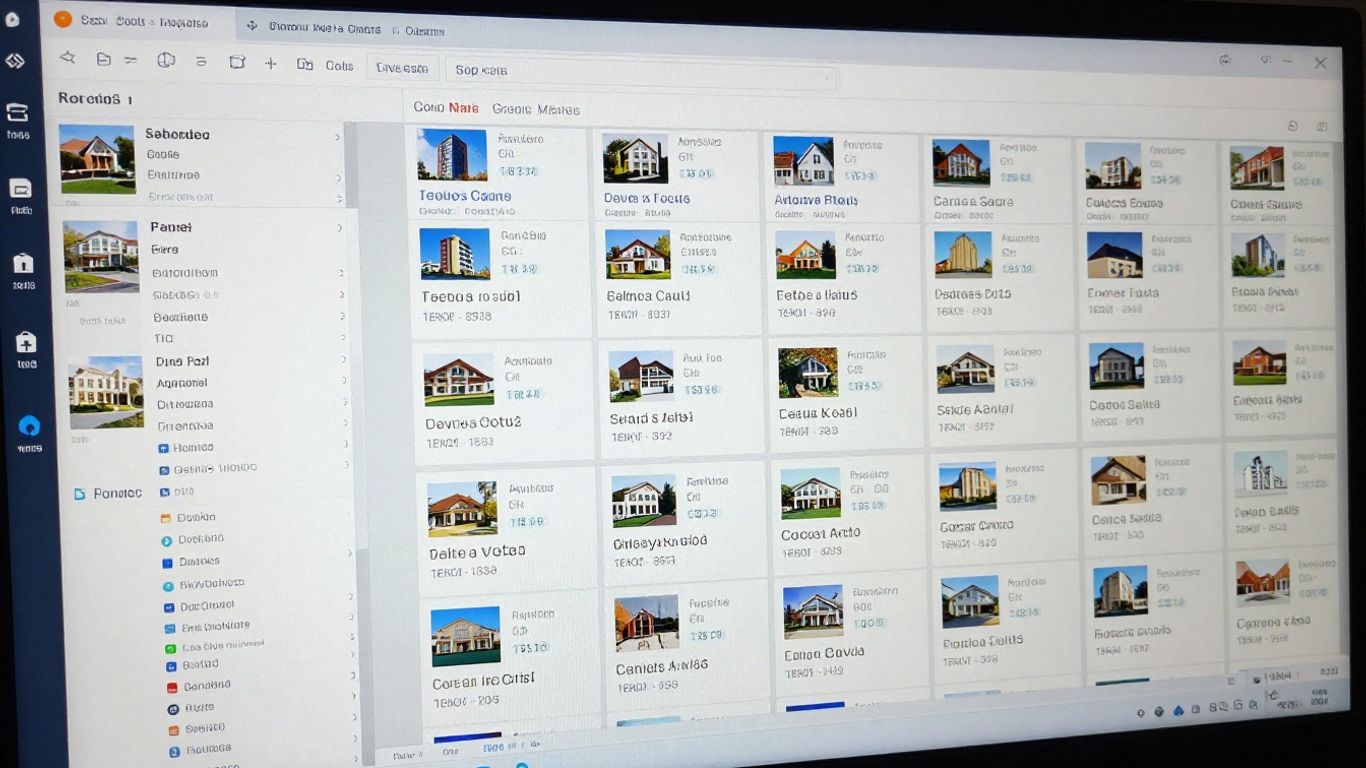
How to Access MLS Listing Data
If you’re thinking about working with MLS listing data, it helps to know what’s possible and what to expect. Here are a few things to keep in mind as you get started.
Key Takeaways
- MLS data APIs let you search, filter, and pull property data fast, without messy scraping or manual work.
- Bulk downloads are good for teams who need a lot of data at once, like for research or market analysis.
- Datafiniti’s platform covers all kinds of property types and keeps things up to date with regular refreshes.
- You can start with a free trial to test searches, see data fields, and try out the API before paying anything.
- Support is available if you need help with setup, sample queries, or picking the right plan for your needs.
Understanding MLS Data Access
Before you can really do anything with Multiple Listing Service (MLS) data, it's important to get a handle on what it is and why accessing it can be a bit tricky. Think of MLS data as the central nervous system for real estate transactions in many areas. It's where agents list properties, track showings, and share crucial details.
The Role of MLS Data in Real Estate
MLS data is pretty much the backbone of the residential real estate market in the United States and Canada. It's a proprietary database compiled by real estate brokers. When a property is listed for sale, the listing broker enters the details into their local MLS. This database then becomes the go-to source for other real estate professionals looking for properties for their clients. It's not just about finding a house; it's about understanding market trends, property values, and sales activity. Without access to this data, it's tough to get a clear picture of what's happening in a specific housing market.
Key Information Contained in MLS Listings
MLS listings are packed with details that paint a full picture of a property. You'll find the basics like the number of bedrooms and bathrooms, square footage, and lot size. But it goes much deeper. You can also see:
- Property Characteristics: Details on the type of home, year built, architectural style, and features like a basement, garage, or pool.
- Pricing and Financials: The listing price, any price changes over time, tax information, and sometimes HOA fees.
- Transaction History: Past sales dates and prices, which can be really useful for understanding a property's market journey.
- Listing Status: Whether a property is active, pending, sold, or off-market.
- Agent and Broker Information: Contact details for the listing agent and brokerage.
- Geographic Data: The property's address, parcel number, and sometimes neighborhood details.
Challenges in Accessing Raw MLS Data
Getting your hands on raw MLS data isn't as straightforward as you might think. For starters, MLS databases are typically owned and operated by local real estate associations or private companies. They are designed for use by licensed real estate professionals, not for direct public access or broad data scraping. This means:
- Restricted Access: Direct access is usually limited to MLS participants (real estate agents and brokers).
- Data Silos: Each MLS is often a separate entity, leading to fragmented data across different regions.
- Licensing Agreements: Using MLS data often requires agreeing to strict terms and conditions, which can prohibit redistribution or certain types of analysis.
- Technical Hurdles: Even if you gain access, the data format can be complex and require significant cleaning and standardization before it's usable for analysis or application development. This is where solutions like MLS database APIs come into play, offering a more structured way to get the information you need.
Leveraging the MLS Data API

So, you've got a handle on what MLS data is and why it's important. Now, let's talk about how you actually get your hands on it in a way that's useful for your work. For many, the answer lies in the MLS Data API.
What is an MLS Data API?
Think of an API, or Application Programming Interface, as a messenger. It takes your request, goes to the MLS database, grabs the information you asked for, and brings it back to you. An MLS Data API is specifically designed to let software applications talk to each other. Instead of manually searching through websites or dealing with clunky downloads, you can programmatically access listing details. This is a game-changer for anyone who needs to work with a lot of data or wants to build custom tools. Real estate professionals, including agents, teams, and brokerages, can find these APIs quite useful [39eb]. The API version 2.0, for instance, provides all the necessary details for its use [fad9].
Benefits of Using an MLS Data API
Why go through the trouble of using an API? Well, there are some pretty good reasons:
- Automation: You can set up systems to automatically pull new listings, price changes, or status updates without you lifting a finger. This saves a ton of time.
- Integration: APIs let you feed MLS data directly into your own websites, apps, or internal databases. Imagine having live listing information on your brokerage site without manual updates.
- Customization: You can ask for exactly the data you need, in the format you need it. This means less time spent cleaning and organizing data after you get it.
- Real-time Access: Many APIs offer near real-time updates. This means you're working with the most current information available, which is super important in a fast-moving market.
Key Features of a Robust MLS Data API
When you're looking at an MLS Data API, keep an eye out for these features:
- Flexible Querying: The API should let you search and filter data in many ways. This could include searching by address, using geographic coordinates and a radius, filtering by listing status, or looking for data within specific date ranges.
- Data Freshness: How often is the data updated? For properties on the market, updates within 24 hours are common. Off-market properties might update less frequently, maybe every few weeks. Knowing this helps you trust the data you're getting.
- Structured Output: The data you receive should be well-organized, usually in formats like JSON or CSV. This makes it easy to import into other systems or analyze.
- Good Documentation: Clear, detailed documentation is a must. It should explain how to make requests, what parameters you can use, and what the responses will look like. This makes the whole integration process much smoother.
Exploring Datafiniti's Property Data Solutions
Looking for ways to actually get your hands on property data that just works? Datafiniti often comes up, and for good reason—they make grabbing and using MLS-style data a whole lot simpler. Let's go step-by-step through what they do, what makes their property data different, and how teams use it in the real world.
Comprehensive Property Data Coverage
On the surface, property datasets can look similar, but Datafiniti’s coverage tells a different story:
- U.S. nationwide coverage across almost all property types: single-family homes, apartments, condos, commercial, land, and more.
- Includes active listings, off-market properties, and records with no current activity.
- Frequent data refreshes, often daily or weekly, so you aren’t working with stale records.
Let’s look at the size of their datasets:
Unlike some providers, you’re not just limited to active listings; there’s all sorts of off-market and historical info bundled in.
Accessing Property Data via API and Bulk Downloads
Datafiniti offers you a few different routes, so you can pick what makes sense for your project:
- API Access:
- Search and filter properties by location, status, or custom criteria.
- Integrate right into internal tools, platforms, or apps.
- Responses are predictable and structured so developers can work fast.
- Web Portal:
- No coding at all—find, filter, and export data with a few clicks.
- Built for analysts or anyone who wants full detail but doesn’t want to touch code at all.
- Bulk Downloads:
- For when you need a big chunk of data, fast. Great for data science teams or researchers working city or state-wide analyses.
- Bulk exports come as clean CSV files, so you aren’t cleaning junk data for hours.
If you’re curious about flexible options and a stress-free start, Datafiniti provides tools that fit both technical and non-technical teams.
Real-World Applications of Property Data
Who actually uses this stuff, and for what?
- Real Estate Investors: Track trends, identify undervalued homes, and match investment criteria using sales history and market signals.
- Sales/Marketing Teams: Target the right audiences by filtering properties using type, value range, and even ownership info.
- Lending/Underwriting: Validate property characteristics, monitor risk, and support loan origination with up-to-date details.
- Tech Teams: Feed data into dashboards, alerts, or analytics products for internal or external users.
- Fraud Prevention: Verify if shipping addresses are active listings or recently sold, useful for e-commerce and logistics checks.
Datafiniti's property coverage really steps up if you need ongoing access to MLS-style details without friction. They focus on accessible data and straightforward setup, meaning you can get started with a free trial, see if coverage fits, and then scale as needed.
If you want more depth on plan options or to get a walk-through, Datafiniti offers flexible pricing, support, and trial access to property data. Try hopping in the portal or linking up via API, and you’ll see pretty quickly if it’s a fit for your workflow.
Integrating MLS Data into Your Workflow

So, you've got your hands on some MLS data, or you're planning to. That's great! But what do you actually do with it? Simply having the data isn't the end goal; it's about making it work for you. This is where integrating that data into your daily operations comes in. It's not just about looking at spreadsheets anymore; it's about making the data a useful part of how you do business.
API Integration for Developers
If you're building applications or custom tools, the MLS Data API is your best friend. Think of it as a direct line to the information you need, without all the manual searching. You can set up your systems to pull specific data points automatically. This means things like property details, recent sales, or even market trends can be fed directly into your software. It's all about making your applications smarter and more responsive. For instance, you could build a tool that automatically updates property valuations based on the latest MLS data, or a system that alerts clients the moment a new listing matching their criteria hits the market. The key is that the API provides structured access to vast amounts of real estate data, allowing for efficient retrieval of property details and market trends. This API acts as a digital bridge, letting applications query and filter listings programmatically.
Utilizing Bulk Downloads for Large-Scale Analysis
Sometimes, you need more than just a few data points at a time. Maybe you're doing deep market research, building complex predictive models, or just want a complete picture of a specific area. That's where bulk downloads shine. Instead of making countless individual requests, you can download large datasets all at once. These files usually come in formats like CSV, which are easy to load into your analysis tools, databases, or spreadsheets. This is perfect for tasks like:
- Analyzing historical sales trends across an entire city.
- Identifying neighborhoods with specific property characteristics in bulk.
- Enriching your existing customer database with property ownership information.
These downloads are often available in standardized formats, making them ready for immediate use in your data science projects or business intelligence platforms.
Data Standardization and Preprocessing
Here's a bit of a reality check: raw data, no matter where it comes from, often isn't perfectly clean. You might find different ways of writing addresses, varying formats for dates, or even missing information. Before you can really use the data effectively, you'll likely need to do some cleaning and standardization. This means making sure all addresses follow a consistent format, dates are all in the same structure (like YYYY-MM-DD), and any other inconsistencies are ironed out. It might sound like a chore, but getting this right upfront saves a ton of headaches later. Think of it as preparing your ingredients before you start cooking – you need everything to be just right for the final dish to turn out well. This step is vital for accurate analysis and reliable application performance, revolutionizing real estate workflows through better data management.
Choosing the Right Data Access Method
When you're looking to get your hands on MLS listing data, you've got a few main paths you can take. It's not a one-size-fits-all situation, and picking the right method really depends on what you need to do with the data and how you plan to use it. Let's break down the options so you can make an informed decision.
API vs. Web Portal vs. Bulk Downloads
Each method has its own strengths, and understanding these will help you choose the best fit for your workflow.
- API (Application Programming Interface): Think of this as a direct line to the data. It's perfect for developers who need to integrate MLS information directly into their own applications, websites, or automated systems. You can make specific requests and get data back in a structured format, usually JSON. This is great for real-time updates or when you need data to flow continuously into another system. For instance, if you're building a real estate app that needs to show live listing prices, the API is your go-to. It allows for flexible queries, like searching by address or using geographic coordinates. This method is ideal for developers who need predictable filtering logic.
- Web Portal: This is your visual, interactive playground. If you're not a coder or if you just need to explore the data, check specific properties, or get a feel for the dataset, the web portal is the way to go. It's designed for ease of use, letting you search and filter properties without any technical setup. You can often view full details and even export sample data to see how it's structured. It’s a good starting point for analysts or anyone who wants to understand the data's depth quickly.
- Bulk Downloads: When you need large volumes of data all at once, bulk downloads are the answer. This is typically for data scientists, researchers, or teams doing large-scale analysis. You can get entire datasets for a specific city, state, or zip code, usually in CSV format. There are often two ways to get bulk data: portal-driven files for complete datasets or API-driven scheduled exports for automated, regular ingestion into your own systems. This is useful if you're building complex models or need historical data for a broad area.
Evaluating Data Freshness and Update Cadence
How current does your data need to be? This is a really important question.
- Real-time vs. Daily vs. Weekly Updates: MLS data can change by the minute. Active listings, price changes, and status updates (like pending or sold) happen constantly. If your use case demands the absolute latest information, an API with near real-time updates is probably what you need. For less time-sensitive tasks, like market trend analysis over a quarter, daily or weekly updates might be perfectly fine. Off-market properties, for example, might not need to be updated as frequently as active listings.
- Impact on Your Workflow: Consider how often your specific application or analysis requires fresh data. If you're tracking active listings for a sales team, daily updates are likely necessary. If you're doing a yearly market report, a weekly or even monthly refresh might suffice. Understanding the update schedule helps you avoid using outdated information, which can lead to bad decisions. For example, investing in solar panels requires rigorous testing to ensure long-term performance, much like how data freshness impacts the reliability of your real estate analysis.
Understanding Datafiniti's Pricing Models
Datafiniti offers a few ways to pay for access, and they're designed to be pretty straightforward.
- Volume-Based Pricing: The core of their model is based on the number of records you access, whether through the API, portal searches, or bulk downloads. This means you pay for what you use, and it scales predictably. You can start with a smaller plan and increase your record volume as your needs grow.
- Subscription Tiers: They offer various monthly subscription tiers based on record volume (e.g., 1K, 10K, 100K records per month). This makes budgeting easier, as you know your monthly cost upfront.
- Annual Discounts and Custom Pricing: You can often get a discount if you pay annually. For very high-volume needs or specialized requests, custom pricing is also available. They also offer a free trial, which is a great way to test the waters before committing to a paid plan. This trial usually gives you access to a set number of free records for a limited time, letting you evaluate the data and platform fully.
Getting Started with MLS Data Access
Ready to dive into the world of MLS data? It might seem a bit daunting at first, but getting started is more straightforward than you might think. We've designed our platform to be accessible, whether you're a seasoned developer or just beginning to explore property data.
The Free Trial Experience
Before committing, you can test the waters with our free trial. This is your chance to get hands-on with real property data. You'll get access to a set amount of records for a limited time, allowing you to see exactly what kind of information is available and how it's structured. It's a great way to validate if the data meets your specific needs without any financial obligation. You can make API calls, test out different search filters, and even export sample data to see how it fits into your existing systems. Think of it as a no-strings-attached test drive.
Documentation and Developer Resources
We know that having the right information readily available makes all the difference. That's why we've put together a robust set of documentation. You'll find detailed guides for our API, including clear explanations of endpoints, parameters, and response formats. We also provide schema references so you know exactly what data fields to expect. For those who learn best by seeing, we have workflow examples that illustrate common use cases and how to implement them. This resource is your go-to for any technical questions that come up as you integrate the data.
Working with an Account Manager
Sometimes, you just need a human to talk to. If you prefer a more guided approach or have complex questions, our account managers are here to help. They can assist you with everything from understanding our data coverage to validating specific queries and recommending the best plan for your situation. Whether you need help with sample data requests, understanding pricing models, or just want a walkthrough of the platform's capabilities, your account manager is a valuable resource. They're dedicated to helping you get the most out of our property data solutions and ensure your evaluation process is smooth and productive. You can even get help selecting the right data access method for your needs.
Ready to dive into MLS data? Our platform makes it easy to get the information you need. Learn how to access and use this valuable data to your advantage. Visit our website today to get started!
Conclusion
Accessing MLS listing data doesn't have to be confusing or stressful. With tools like the MLS data API and platforms like Datafiniti, you can get the information you need in a way that fits your workflow. Whether you want to use an API for quick searches, download big datasets, or just explore listings in a web portal, there are options for every kind of user. If you’re not sure where to start, trying out a free trial and looking through the docs can help you figure out what works best for you. And if you get stuck, there’s always support to help you out. In the end, having the right data at your fingertips can make your job a whole lot easier.
Frequently Asked Questions
What is an MLS data API?
An MLS data API is a tool that lets you get property listing info straight from a database using simple code. It’s like having a search bar for real estate data that you can use in your own apps or websites.
How fresh is the MLS data?
Most active listings are updated every day, sometimes within 24 hours. Off-market or older records might update every few weeks.
Do I need to be a programmer to use MLS data?
Nope. You can use a web portal if you don’t know how to code. But if you want to build apps or automate things, the API is handy.
Can I try the MLS data API for free?
Yes! Many platforms, like Datafiniti, offer a free trial. You can test searches, see how the data looks, and decide if it fits your needs.
What kinds of properties are covered?
You’ll find single-family homes, apartments, condos, commercial buildings, land, and more. Coverage is usually nationwide, but always check with your provider.
What happens after my free trial ends?
Your account usually stays open, but you’ll need to pick a paid plan to keep getting data. Your saved searches and settings are still there when you upgrade.
Read the latest articles

Read more

How to Build a Product Database With a Product Data API

Property Data API Coverage: What U.S. Datasets Include

Product Data API for Ecommerce Price Monitoring and Repricing

Real-Time Product Data API for Product-Led Growth Teams

Property Ownership Data API for Skip Tracing and Lead Gen

How APIs Make Building a Product Database Easy
Learn how to build a product database with APIs for cleaner imports, updates, search, and scalable product data.

What Is Property Transaction Data and How Does an API Help Get It?
Learn how property transaction data works and how APIs provide structured access for analysis and workflows.

How to Use Real Estate Transaction Data
Learn how to use real estate transaction data for analysis, valuation, underwriting, and market decisions.

How to Leverage Competitor Pricing Data with an API
Use competitor pricing data to build API-driven monitoring, analysis, and smarter pricing decisions.

Price Monitoring API: The Key to E-Commerce Pricing Strategy
Use a price monitoring API to track market changes, improve pricing decisions, and protect ecommerce margins.

How do Product Data APIs Work for E-Commerce Companies?
Learn how a product data API works, from collection and queries to ecommerce integration and use cases.

Bulk Real Estate Data Licensing: Access Datasets at Scale

How to Integrate MLS Listings Using an MLS Data API

GTIN Lookup API: Search Products by Barcode & UPC at Scale

Best Real Estate API 2026: Coverage, Pricing, Data Quality

Best Product Data API 2026: A State-of-the-Market Guide

Product Data API Integration Patterns for Ecommerce Platforms

Build a PropTech MVP With a Property Ownership Data API

3 Benefits of Web Scraping for Real Estate
Boost your research by using web scraping for real estate to gain market insights, automate lead lists, and minimize property risk.
How Real Estate Agents Can Leverage Proptech Data
Leverage proptech data to source leads, speed up valuations, and manage risk with accurate, real-time property insights.

What Is a UPC Lookup API?
Learn about the UPC lookup API, how it works, and its benefits for businesses. Get product data easily.

What Is a GTIN Lookup API?
Learn about the GTIN lookup API and how it can help your business grow. Get product data insights.

How Does a Property Data API Work?
Learn how a property data API works, its features, and how you can use it for real estate and business insights.

What The Best Real Estate APIs Should Have
Discover what makes the best real estate APIs stand out. Learn about essential features for your property data needs.

The Benefits of a Real Estate MLS API
Learn about the benefits of a real estate MLS API for streamlining data access and driving business growth.

Why Every Real Estate Pro Needs an MLS Database API
Learn why a MLS database API is vital for real estate pros. Get data, insights, and competitive edge.
How to Access MLS Listing Data
Learn how to access MLS listing data using an MLS data API. Discover Datafiniti's solutions and integration tips.
.png)
How to Enrich Your Product Catalog With a Real-Time API
.jpeg)
Product Data API Buyer's Guide for Ecommerce Teams

Do I Need a Real Estate Listing API?
Explore the benefits and technicalities of a real estate listing API. Learn how to choose the right provider and integrate data for business growth.

Unlocking the MLS Database with APIs
Unlock the MLS database with APIs. Learn how to access property data, gain real estate insights, and integrate MLS data for your business needs.

Why Real Estate Tech Startups Need Property APIs with Ownership Details
Discover how property APIs with ownership details empower real estate tech startups. Learn about data integration, risk mitigation, and driving business value.
The Value of a Product Catalog Sync for Product Managers
Unlock the value of product catalog sync for product managers. Streamline data, improve decisions, and reduce costs with real-time insights.

What is a Product Data Webhook?
Learn about product data webhooks, their components, and how they enable real-time updates for business intelligence and workflow automation.

Why Is a Product Data API Integration Essential for Analysts & Product Managers?
Unlock insights with product data API integration. Essential for analysts & product managers to streamline data access & enhance product strategy.

What Is a Product Data API and Its Benefits
Learn about product data APIs, their benefits, and how they drive business growth. Explore integration and advanced use cases.

What Do eCommerce Data Vendors Do?
Learn what ecommerce data vendors do, their services, and how to choose the right one for your business growth.

How to Compare Product Data Providers: What to Look For
Compare product data providers. Learn what to look for in data quality, structure, and integration features.

How to Get Your Product Data in Real-Time Using APIs
Learn how to leverage real-time product data APIs for e-commerce, competitive analysis, and AI. Get instant access to clean, structured product data.

Best Product Data API: Features to Look for
Find the best product data API with real-time updates, comprehensive coverage, and a user-friendly portal. Explore features to look for.

Unlocking Property Data with an API
Access property data with a powerful property database API. Explore listings, market analysis, investment opportunities, and more. Get started today!

Unlocking CRE with APIs
Unlock commercial real estate insights with a powerful API. Access property data, streamline workflows, and enhance investment strategies.

How to Get a Real-Time Product Feed Using an API
Learn how to get a real-time product feed using an API. Access, leverage, and ensure accuracy of product data for your business needs.

Spying on Competitor Prices: What You Need to Know
Learn how to gather and analyze competitor pricing data to inform your business strategy. Understand key components and ethical considerations.

Product Data Enrichment: What Are You Missing?
Enhance your product data with comprehensive enrichment. Discover insights, drive growth, and choose the right approach for your business.
.png)
IDX vs MLS API: A Developer's Guide to Real Estate Listing Data
.png)
Real Estate API Pricing Models Explained: Subscription vs. Usage-Based

Real Estate API vs Web Scraping: Which Wins in 2026?
.png)
Product Data APIs Explained: Powering Product Search and Catalog Automation

Best Sources for Bulk Real Estate Transaction Data

How to Get the Most out of a Product Catalog API
Learn how to leverage a product catalog API for business growth. Discover data quality, access methods, and strategy for your product catalog API.

Taming Your Ecommerce Product Data Feed
Optimize your ecommerce product data feed for growth. Learn strategies, leverage technology, and ensure data quality for better customer experience and AI initiatives.

Streamlining Your Product Search with an API
Explore the benefits and integration of a product search API. Streamline your product discovery and leverage data for business growth.
.png)
Real Estate Transaction Databases: What You Need to Know
.png)
Best MLS API for Real Estate Software: What Developers Need

How Real Estate Platforms Access MLS Database APIs
.png)
Commercial Real Estate API vs. Residential Property API
.png)
How to Choose a Real Estate Database API for Your MVP
MLS API vs. IDX: What's the Diff?
MLS API vs IDX: Explore the differences in real estate data access, retrieval, and integration. Understand which solution fits your needs.

Scraping vs. APIs: Getting Real Estate Data
Compare web scraping vs real estate API for data acquisition. Learn the pros, cons, and best use cases for each method.

Cracking the Code: Housing Sales Insights
Unlock housing sales analytics insights with Datafiniti. Explore property data, market trends, and advanced techniques for strategic decisions.

Property Valuation API: Your Go-To Real Estate Tool
Leverage the property valuation API for real estate insights. Access comprehensive property data for diverse applications with Datafiniti.

Product Data APIs Explained
Learn about product data APIs explained. Discover how to access, integrate, and utilize product data for e-commerce, analytics, and more.

Unlocking Your Ecommerce Data with APIs
Unlock ecommerce data with APIs for business insights, product catalog enrichment, and competitive analysis. Explore data via portal or API.

Your Guide to Housing Sales APIs
Explore housing sales API data for insights. Access property data, integrate into applications, and gain business intelligence. Get started today!

Real Estate Ownership Data: How to Access, Analyze and Use at Scale
Access, analyze, and use real estate ownership data at scale. Learn how to find, process, and leverage this crucial information for business insights.

Unlocking Opportunities: Navigating Bulk Real Estate Transaction Data
Unlock opportunities with bulk real estate transaction data. Learn how to access, analyze, and leverage property data for investing, marketing, and more.
What Is a Property Sales Database?
Explore what a property sales database is, its core components, how to access data, and key use cases for real estate analysis and more.

Benefits of Obtaining Housing Transaction Data
Unlock insights with housing transaction data. Analyze markets, investments, sales, and risk. Get comprehensive property data for informed decisions.

Understanding Real Estate Transaction Databases

IDX vs MLS API: What Every Real Estate Professional Should Know
Understand IDX vs MLS API differences. Learn about data access, integration, and how Datafiniti's solutions empower real estate professionals.

What Is an MLS Database API?
Explore the MLS database API: understand its components, benefits, and how to access real estate data for various applications. Learn about its core functionality and technical aspects.

How a Property Database API Can Help Real Estate Pros
Learn how a property database API can help real estate pros analyze trends, monitor listings, and optimize strategies. Get data insights.

What Is a Residential Property API?
Explore what a residential property API is, its features, benefits, and real-world applications for real estate professionals and investors.

What Is a Commercial Real Estate API?
Explore commercial real estate API functionality, data integration, and use cases. Learn how to leverage property, business, and people data for insights.

Understanding MVP Data Integration
Learn about MVP data integration, its components, benefits, and strategies for accessing and utilizing data resources effectively.

How to Choose the Best Property Data API
Learn how to choose the best property data API. Explore features, providers, pricing, and integration for real estate insights.

Real Estate Database API: What to Look for
Explore real estate database API options. Learn about data quality, features, and how to choose the right provider for your needs.
.png)
Real Estate Transaction Database: An API Access Guide

How Do Product Data APIs Work?
Understand how a product data API works, its key features, integration methods, and applications for e-commerce and business intelligence.

How Do Data Aggregation Platforms Work?
Explore how data aggregation platforms work, their capabilities, and applications. Learn to choose and implement the right platform for your business intelligence needs.

Why Do Companies Need Property Data Aggregation?
Discover why property data aggregation is crucial for businesses. Streamline access, empower functions, enhance risk management, and drive strategic decisions with authoritative insights.

MLS API: The Complete Guide to Accessing MLS Listing Data

Product Search API vs. Product Data API: What's the Difference?

What Are the Best MLS Data API Features to Look For?
Discover the best MLS data API features, including real-time updates, bulk downloads, and flexible filtering for property data.

What Is a Product Data API?
Explore the functionality and benefits of a product data API. Learn how to integrate, leverage, and choose the right provider for your business insights.
What Is the Difference Between Product Search API and Product Data API?
Understand the difference between Product Search API and Product Data API. Learn how to leverage product data for business intelligence and analytics.

Guide to Accessing Real Estate Transaction Database Via API
Access real estate transaction data via API. Explore property insights, sales, underwriting, and advanced applications with our authoritative guide.

Is a Real Estate MLS API Beneficial?
Explore the benefits of a real estate MLS API for enhanced data access, streamlined workflows, and market responsiveness. Learn about key features and use cases.

What is an MLS Database API?
Explore the MLS database API for comprehensive property data access. Learn about its core functionality, key features, and integration into real estate technology.

What Is a Property Data API?
Explore the capabilities of a property data API. Understand its core functionality, key features for developers, and how to access property information at scale for business insights.
.png)
Real Estate API Pricing: What You Need to Know Before You Build
.jpeg)
How to Choose a Property Market API for Investment Platforms
Choosing the right property market API is critical for investment platforms. Learn how to evaluate data depth, coverage, freshness, and integration quality before you commit.
Data you can trust, delivered in a format your systems can use, at the scale your product requires.