
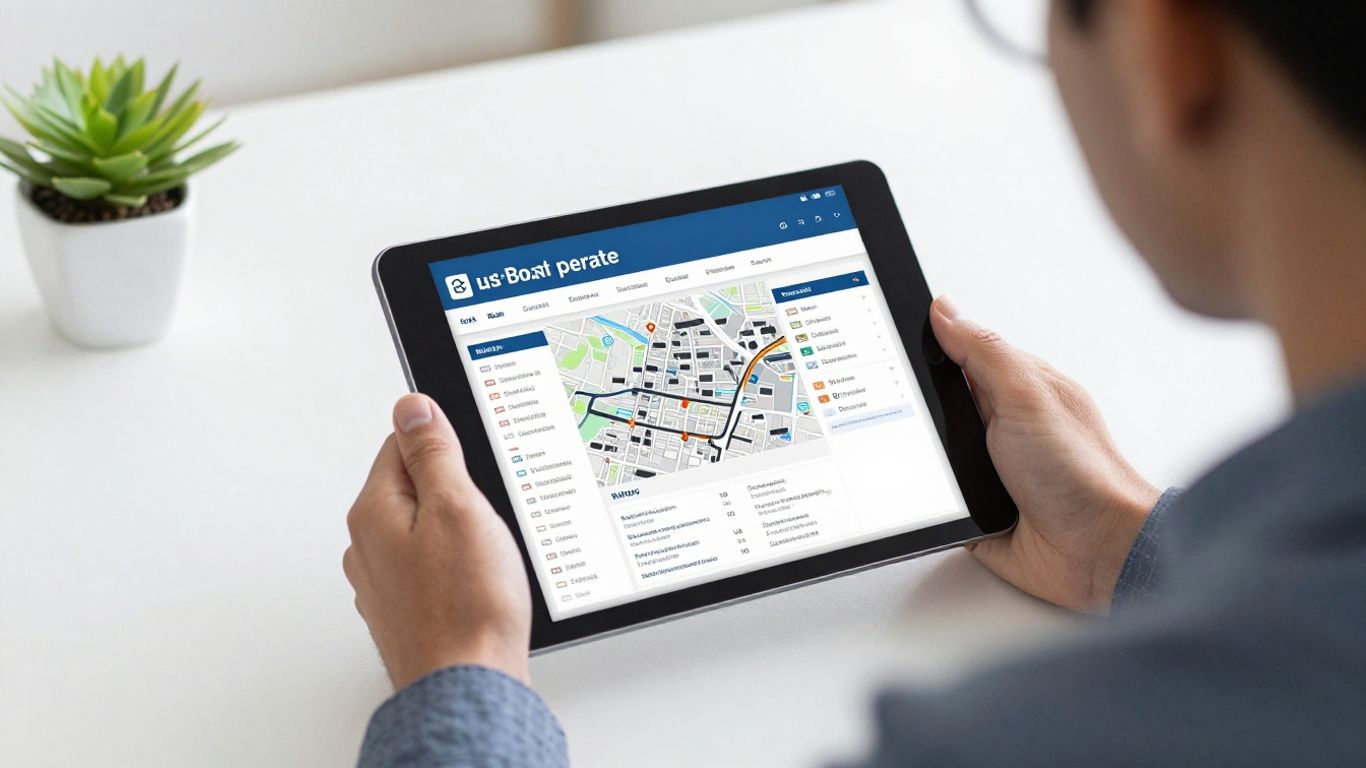
How Real Estate Agents Can Leverage Proptech Data
Key Takeaways
Agents now possess better tools to source insights and refine their outreach through data-driven workflows. Understanding these capabilities remains essential for staying competitive in a modern market.
- Predictive models prioritize potential sellers with high intent.
- Property valuation relies on historical transaction data and local indicators.
- Automated workflows reduce manual administrative burdens significantly.
- Verifying property states acts as a primary defense against fraud.
- Market intelligence powers more persuasive and data-backed client consultations.
1. Precision lead generation and segmentation
Real estate agents often struggle with fragmented information when attempting to find prospects who are actually ready to list their homes. Instead of casting a wide net, modern proptech data allows you to narrow your focus to specific segments that align with your ideal client profile. By integrating refined inputs into your CRM, you transform raw information into a highly functional pipeline.
Identifying high-intent home sellers through predictive data
Finding sellers requires more than just searching generic records; it demands an analysis of behavioral patterns. Predictive models allow you to filter for properties showing signs of impending sales, such as long-term ownership or specific mortgage activity. These insights help you approach neighborhoods with a message that resonates because you are contacting those most likely to need your representation.
Segmenting outreach lists using demographic and owner attributes
Generic emails rarely yield high conversion rates, which is why specific segmentation is necessary for success. You can organize your outreach lists by evaluating demographic data and specific owner attributes, ensuring your tone matches the recipient's life stage or prior ownership experience. This strategic grouping ensures that your communication feels curated rather than forced, increasing the likelihood of engagement.
Leveraging skip tracing for accurate contact information
Reaching the right homeowner often hits a wall when phone numbers or addresses are outdated. Utilize tools like the Datafiniti platform to perform skip tracing that links property records back to verified owner profiles. Having reliable contact info ensures that your outreach efforts reach the actual decision-maker, minimizing wasted cycles spent on incorrect numbers.
Automating lead qualification with real-time property status updates
Managing hundreds of leads manually creates a bottleneck that slows down your entire brokerage operations. Use real-time property status notifications to automatically filter your leads based on active listings, recently sold properties, or changes in occupancy. This layer of qualification means your team focuses exclusively on high-priority prospects who are actively moving through their own transaction lifecycle.
2. Streamlining property valuation and investment analysis

Setting the correct price for a property requires deep insight into local economic trends and historical activity. Data-backed valuation models permit you to move beyond basic estimates, providing a foundation of truth that builds client trust during negotiations. By incorporating objective metrics into your analysis, you remove the guesswork from pricing strategies.
Deriving accurate comparables from historical transaction data
Clients frequently worry about whether their listing price aligns with current neighborhood realities. By analyzing comprehensive historical transaction data, you build a robust set of comparables that accurately reflect local market shifts. This approach leaves no room for ambiguity, as your valuation rests on actual sales rather than subjective opinions.
Applying neighborhood indicators to assess investment potential
Investors rely on more than just square footage and bedroom counts; they need a broader view of an area’s vitality. Look at neighborhood indicators like commercial density, zoning shifts, and population spikes to ground your investment thesis in hard evidence. This depth of understanding effectively justifies your advice when helping clients compare different investment options.
Building repeatable models for rental income projections
Rental projections should never rely on rough back-of-the-envelope calculations when precision is possible. Develop repeatable economic models that incorporate vacancy rates, historical rental trends, and current asset appreciation stats. This consistency gives your investor clients the confidence to proceed because they can observe the logic behind every projection you provide.
Identifying off-market investment opportunities through property status alerts
Traditional listings represent only a fraction of the available inventory for experienced investors. You can gain a distinct advantage by setting status alerts that flag properties moving toward default or those that are off-market but have high ownership stability. Being the agent who brings these opportunities to the table separates you from general market participants.
3. Optimizing daily operations and administrative workflows
Clerical tasks often consume the time you should spend nurturing client relationships. By standardizing your internal data entry, you create an environment where information manages itself through automated syncs and clean inputs. This transition allows you to focus on the human side of your brokerage while technology handles the logistics.
Reducing manual data entry through API-driven CRM enrichment
Data entry errors remain one of the biggest hidden costs for busy agents and their support teams. Using API-driven CRM enrichment, you can automatically pull property tax info, assessment history, and ownership details directly into your contact records. This automation eliminates the repetitive labor of manual entry and ensures that your CRM remains the single, verified source of truth.
Syncing listing updates automatically across internal systems
When a property status changes, updating your website, mailing software, and internal tracking reports is exhausting work. By syncing listing data across all platforms simultaneously, you ensure that every part of your operation holds the same up-to-date details. This unity of information prevents service gaps and ensures that your messaging remains consistent across all communication channels.
Managing document processing with standardized property schemas
Complex document workflows become manageable when every piece of incoming data follows a standardized schema. Structure your property records so that tax assessments, transaction history, and listing details appear in matching formats every time. This organization speeds up your review process, letting you scan through dozens of properties in the time it used to take to process one.
Scaling outreach campaigns through bulk data exports
When preparing for a regional real estate marketing blast, individual record management prevents you from reaching enough prospects. Bulk data exports give you the power to pull thousands of property records that match your specific criteria, allowing for coordinated direct mail or email campaigns. This scale of operation turns local outreach efforts into a more predictable and measurable business expansion tool.
4. Enhancing risk management and fraud prevention

Real estate transactions remain frequent targets for people attempting to execute property flipping schemes or identity theft. Verifying property occupancy is the most effective way to flag suspicious activity before it moves toward a closing date. By making data verification a habit, you protect your professional reputation and your clients' assets.
Verifying property occupancy states to flag suspicious listings
Vacant properties often become magnets for fraudulent activity or unauthorized listing attempts. By checking occupancy status, you identify if a property is expected to be owner-occupied or vacant, allowing you to flag anomalies that don't fit the expected patterns. This preventative check discourages bad actors and safeguards the integrity of your listings.
Cross-referencing transaction history to detect property flipping risks
Rapid-fire sales patterns often reveal underlying issues, such as undisclosed physical damage or suspicious title histories. Consistently cross-reference the transaction history of a property to see how frequently it has sold in the last few years. Uncovering this context early in the listing or purchase process helps you advise your clients to request extra inspections or professional title reviews.
Validating seller identity against public and third-party data
Fraudulent sellers often attempt to masquerade as legitimate owners by using false documentation. Always validate seller identities against available public and third-party records to ensure the individual authorized to sign actually has the legal right to do so. This step is a standard part of a professional risk management procedure that every modern agent should implement.
Identifying inconsistencies in tax and assessment records
Sometimes the discrepancy between the owner's claims and the public reality lies in the tax records. By checking for inconsistencies in local assessment data, you often uncover structural changes made without permits or zoning violations that could derail a future sale. Addressing these gaps immediately prevents surprises from surfacing when an appraisal is ordered later in the transaction.
5. Leveraging market intelligence for competitive advantage
Understanding the macro trends affecting your neighborhood gives you a unique authority that clients immediately respect. You move from being just another agent to a market expert by analyzing supply and demand at a local level. This ability to interpret the broader data helps your clients plan their real estate moves with a higher degree of long-term certainty.
Analyzing neighborhood activity trends to guide client advice
Clients often ask whether now is the right time to sell or buy, but they deserve a better answer than a generic hunch. Use market activity monitoring to study inventory levels and days-on-market metrics, which provide a nuanced view of whether your specific area is tilted toward buyers or sellers. Having this insight allows you to tell clients exactly why they should wait for a shift or jump in now.
Using commercial density and zoning data for site selection
When you advise commercial investors or land buyers, you must understand a location's future growth potential. Commercial density and zoning data identify emerging hubs versus stagnant areas, giving your clients the map they need to plan their investments. This high-level view proves you are thinking about both the present market and the long-term utility of a potential site.
Benchmarking brokerage performance against local inventory trends
Understanding how your firm performs versus the rest of the market helps you refine your competitive strategy. Keep track of local inventory trends to ensure your internal goals are benchmarking correctly against the available supply. If your team is struggling to secure listings, looking at how the market is moving allows you to pivot your strategy to where the real opportunities exist.
Staying ahead of competitors with instant property status notifications
Timing is often the deciding factor in securing a must-have deal for a client. Leverage instant notification systems that tell you the moment a property status updates to "sold" or "pending," allowing you to reach out to nearby leads with timely market news. This proactive behavior keeps your clients informed faster than those working with agents who rely solely on public status updates days later.
6. Improving client interaction and advisory services
Your interactions with clients set the tone for your entire professional relationship. By integrating data-backed storytelling into your presentations, you make abstract market concepts feel real and accessible to their situation. This transformation of information into advice is exactly where the value of a professional real estate expert resides.
Presenting data-backed insights during listing presentations
Listing presentations shouldn’t just be a folder of flyers and generic promises. You can present data-backed insights that compare the client's home against other homes in the immediate neighborhood. This transparency proves you have done your research, giving the client peace of mind because their pricing strategy is based on observable facts.
Offering personalized neighborhood reports to prospective buyers
Prospective buyers often feel overwhelmed by the sheer volume of listings available in a new city or town. Provide a personalized neighborhood report that incorporates school data, recent sales trends, and property type breakdowns to help them find a place that matches their lifestyle requirements. This personalized touch adds immense value to the buyer experience, cementing your role as their trusted advisor.
Using location intelligence to justify market pricing
When a seller disagrees with your assessment, you need the right tools to explain why the home is valued as it is. Location intelligence that combines proximity to local amenities and neighborhood demand provides the objective third-party reality check needed to justify a realistic price. It turns a tense disagreement into an educational conversation based on shared data.
Integrating rich property details into personalized client dashboards
Modern clients expect their real estate experience to be digital and responsive. Create high-quality client dashboards that pull in rich property details, allowing your clients to track features, assessments, and transaction histories on their own time. This level of access empowers them during the search process and highlights your commitment to providing a professional, technology-forward service.
Conclusion
By embracing the full spectrum of available information, you turn real estate from a guessing game into a structured, reliable process that benefits both you and your clients. This approach ensures your brokerage remains resilient, transparent, and ahead of the curve as the market changes.
Frequently Asked Questions
How does proptech data help real estate brokers?
It provides immediate access to structured, property-level information that allows for faster decision-making, better client advice, and improved outreach precision.
Can I use these datasets for large-scale marketing?
Yes, bulk data exports allow you to download large volumes of property info, which helps in preparing targeted direct mail or regional market analysis campaigns.
Is it difficult to integrate this data into existing CRM systems?
Many platforms use standardized APIs that allow you to sync property updates directly into your systems without needing extensive custom engineering work.
Can property data really assist in preventing fraud?
It allows you to verify occupancy and ownership details in real time, making it much easier to spot suspicious patterns before you get involved in a transaction.
Does this data help with off-market investing?
Yes, by monitoring property status and transaction history, agents can find potential leads that are not currently featured on public listing websites.
How often should I check for update signals from the market?
Ideally, you should have systems that send you alerts daily or weekly to ensure that your records remain fresh and that your advice stays relevant to current trends.
Do I need to be a developer to get started with these tools?
No, many platforms offer user-friendly web portals that allow you to filter and explore data visually before deciding whether to integrate automated API workflows.
Ready to get started?
Request a demo for a personalized walkthrough. Our Datafiniti team will help you align our structured datasets with your brokerage workflow and discuss pricing suited for your specific scale.
Read the latest articles

Read more

Build vs Buy: Business Data Enrichment for Growing Teams

Best Business Data APIs for Sales Teams & Prospecting

Business Data API: Company Data at Enterprise Scale

How to Build a Product Database With a Product Data API

Property Data API Coverage: What U.S. Datasets Include

Product Data API for Ecommerce Price Monitoring and Repricing

Real-Time Product Data API for Product-Led Growth Teams

Property Ownership Data API for Skip Tracing and Lead Gen

How APIs Make Building a Product Database Easy
Learn how to build a product database with APIs for cleaner imports, updates, search, and scalable product data.

What Is Property Transaction Data and How Does an API Help Get It?
Learn how property transaction data works and how APIs provide structured access for analysis and workflows.

How to Use Real Estate Transaction Data
Learn how to use real estate transaction data for analysis, valuation, underwriting, and market decisions.

How to Leverage Competitor Pricing Data with an API
Use competitor pricing data to build API-driven monitoring, analysis, and smarter pricing decisions.

Price Monitoring API: The Key to E-Commerce Pricing Strategy
Use a price monitoring API to track market changes, improve pricing decisions, and protect ecommerce margins.

How do Product Data APIs Work for E-Commerce Companies?
Learn how a product data API works, from collection and queries to ecommerce integration and use cases.

Bulk Real Estate Data Licensing: Access Datasets at Scale

How to Integrate MLS Listings Using an MLS Data API

GTIN Lookup API: Search Products by Barcode & UPC at Scale

Best Real Estate API 2026: Coverage, Pricing, Data Quality

Best Product Data API 2026: A State-of-the-Market Guide

Product Data API Integration Patterns for Ecommerce Platforms

Build a PropTech MVP With a Property Ownership Data API

3 Benefits of Web Scraping for Real Estate
Boost your research by using web scraping for real estate to gain market insights, automate lead lists, and minimize property risk.
How Real Estate Agents Can Leverage Proptech Data
Leverage proptech data to source leads, speed up valuations, and manage risk with accurate, real-time property insights.

What Is a UPC Lookup API?
Learn about the UPC lookup API, how it works, and its benefits for businesses. Get product data easily.

What Is a GTIN Lookup API?
Learn about the GTIN lookup API and how it can help your business grow. Get product data insights.

How Does a Property Data API Work?
Learn how a property data API works, its features, and how you can use it for real estate and business insights.

What The Best Real Estate APIs Should Have
Discover what makes the best real estate APIs stand out. Learn about essential features for your property data needs.

The Benefits of a Real Estate MLS API
Learn about the benefits of a real estate MLS API for streamlining data access and driving business growth.

Why Every Real Estate Pro Needs an MLS Database API
Learn why a MLS database API is vital for real estate pros. Get data, insights, and competitive edge.
How to Access MLS Listing Data
Learn how to access MLS listing data using an MLS data API. Discover Datafiniti's solutions and integration tips.
.png)
How to Enrich Your Product Catalog With a Real-Time API
.jpeg)
Product Data API Buyer's Guide for Ecommerce Teams

Do I Need a Real Estate Listing API?
Explore the benefits and technicalities of a real estate listing API. Learn how to choose the right provider and integrate data for business growth.

Unlocking the MLS Database with APIs
Unlock the MLS database with APIs. Learn how to access property data, gain real estate insights, and integrate MLS data for your business needs.

Why Real Estate Tech Startups Need Property APIs with Ownership Details
Discover how property APIs with ownership details empower real estate tech startups. Learn about data integration, risk mitigation, and driving business value.
The Value of a Product Catalog Sync for Product Managers
Unlock the value of product catalog sync for product managers. Streamline data, improve decisions, and reduce costs with real-time insights.

What is a Product Data Webhook?
Learn about product data webhooks, their components, and how they enable real-time updates for business intelligence and workflow automation.

Why Is a Product Data API Integration Essential for Analysts & Product Managers?
Unlock insights with product data API integration. Essential for analysts & product managers to streamline data access & enhance product strategy.

What Is a Product Data API and Its Benefits
Learn about product data APIs, their benefits, and how they drive business growth. Explore integration and advanced use cases.

What Do eCommerce Data Vendors Do?
Learn what ecommerce data vendors do, their services, and how to choose the right one for your business growth.

How to Compare Product Data Providers: What to Look For
Compare product data providers. Learn what to look for in data quality, structure, and integration features.

How to Get Your Product Data in Real-Time Using APIs
Learn how to leverage real-time product data APIs for e-commerce, competitive analysis, and AI. Get instant access to clean, structured product data.

Best Product Data API: Features to Look for
Find the best product data API with real-time updates, comprehensive coverage, and a user-friendly portal. Explore features to look for.

Unlocking Property Data with an API
Access property data with a powerful property database API. Explore listings, market analysis, investment opportunities, and more. Get started today!

Unlocking CRE with APIs
Unlock commercial real estate insights with a powerful API. Access property data, streamline workflows, and enhance investment strategies.

How to Get a Real-Time Product Feed Using an API
Learn how to get a real-time product feed using an API. Access, leverage, and ensure accuracy of product data for your business needs.

Spying on Competitor Prices: What You Need to Know
Learn how to gather and analyze competitor pricing data to inform your business strategy. Understand key components and ethical considerations.

Product Data Enrichment: What Are You Missing?
Enhance your product data with comprehensive enrichment. Discover insights, drive growth, and choose the right approach for your business.
.png)
IDX vs MLS API: A Developer's Guide to Real Estate Listing Data
.png)
Real Estate API Pricing Models Explained: Subscription vs. Usage-Based

Real Estate API vs Web Scraping: Which Wins in 2026?
.png)
Product Data APIs Explained: Powering Product Search and Catalog Automation

Best Sources for Bulk Real Estate Transaction Data

How to Get the Most out of a Product Catalog API
Learn how to leverage a product catalog API for business growth. Discover data quality, access methods, and strategy for your product catalog API.

Taming Your Ecommerce Product Data Feed
Optimize your ecommerce product data feed for growth. Learn strategies, leverage technology, and ensure data quality for better customer experience and AI initiatives.

Streamlining Your Product Search with an API
Explore the benefits and integration of a product search API. Streamline your product discovery and leverage data for business growth.
.png)
Real Estate Transaction Databases: What You Need to Know
.png)
Best MLS API for Real Estate Software: What Developers Need

How Real Estate Platforms Access MLS Database APIs
.png)
Commercial Real Estate API vs. Residential Property API
.png)
How to Choose a Real Estate Database API for Your MVP
MLS API vs. IDX: What's the Diff?
MLS API vs IDX: Explore the differences in real estate data access, retrieval, and integration. Understand which solution fits your needs.

Scraping vs. APIs: Getting Real Estate Data
Compare web scraping vs real estate API for data acquisition. Learn the pros, cons, and best use cases for each method.

Cracking the Code: Housing Sales Insights
Unlock housing sales analytics insights with Datafiniti. Explore property data, market trends, and advanced techniques for strategic decisions.

Property Valuation API: Your Go-To Real Estate Tool
Leverage the property valuation API for real estate insights. Access comprehensive property data for diverse applications with Datafiniti.

Product Data APIs Explained
Learn about product data APIs explained. Discover how to access, integrate, and utilize product data for e-commerce, analytics, and more.

Unlocking Your Ecommerce Data with APIs
Unlock ecommerce data with APIs for business insights, product catalog enrichment, and competitive analysis. Explore data via portal or API.

Your Guide to Housing Sales APIs
Explore housing sales API data for insights. Access property data, integrate into applications, and gain business intelligence. Get started today!

Real Estate Ownership Data: How to Access, Analyze and Use at Scale
Access, analyze, and use real estate ownership data at scale. Learn how to find, process, and leverage this crucial information for business insights.

Unlocking Opportunities: Navigating Bulk Real Estate Transaction Data
Unlock opportunities with bulk real estate transaction data. Learn how to access, analyze, and leverage property data for investing, marketing, and more.
What Is a Property Sales Database?
Explore what a property sales database is, its core components, how to access data, and key use cases for real estate analysis and more.

Benefits of Obtaining Housing Transaction Data
Unlock insights with housing transaction data. Analyze markets, investments, sales, and risk. Get comprehensive property data for informed decisions.

Understanding Real Estate Transaction Databases

IDX vs MLS API: What Every Real Estate Professional Should Know
Understand IDX vs MLS API differences. Learn about data access, integration, and how Datafiniti's solutions empower real estate professionals.

What Is an MLS Database API?
Explore the MLS database API: understand its components, benefits, and how to access real estate data for various applications. Learn about its core functionality and technical aspects.

How a Property Database API Can Help Real Estate Pros
Learn how a property database API can help real estate pros analyze trends, monitor listings, and optimize strategies. Get data insights.

What Is a Residential Property API?
Explore what a residential property API is, its features, benefits, and real-world applications for real estate professionals and investors.

What Is a Commercial Real Estate API?
Explore commercial real estate API functionality, data integration, and use cases. Learn how to leverage property, business, and people data for insights.

Understanding MVP Data Integration
Learn about MVP data integration, its components, benefits, and strategies for accessing and utilizing data resources effectively.

How to Choose the Best Property Data API
Learn how to choose the best property data API. Explore features, providers, pricing, and integration for real estate insights.

Real Estate Database API: What to Look for
Explore real estate database API options. Learn about data quality, features, and how to choose the right provider for your needs.
.png)
Real Estate Transaction Database: An API Access Guide

How Do Product Data APIs Work?
Understand how a product data API works, its key features, integration methods, and applications for e-commerce and business intelligence.

How Do Data Aggregation Platforms Work?
Explore how data aggregation platforms work, their capabilities, and applications. Learn to choose and implement the right platform for your business intelligence needs.

Why Do Companies Need Property Data Aggregation?
Discover why property data aggregation is crucial for businesses. Streamline access, empower functions, enhance risk management, and drive strategic decisions with authoritative insights.

MLS API: The Complete Guide to Accessing MLS Listing Data

Product Search API vs. Product Data API: What's the Difference?

What Are the Best MLS Data API Features to Look For?
Discover the best MLS data API features, including real-time updates, bulk downloads, and flexible filtering for property data.

What Is a Product Data API?
Explore the functionality and benefits of a product data API. Learn how to integrate, leverage, and choose the right provider for your business insights.
What Is the Difference Between Product Search API and Product Data API?
Understand the difference between Product Search API and Product Data API. Learn how to leverage product data for business intelligence and analytics.

Guide to Accessing Real Estate Transaction Database Via API
Access real estate transaction data via API. Explore property insights, sales, underwriting, and advanced applications with our authoritative guide.

Is a Real Estate MLS API Beneficial?
Explore the benefits of a real estate MLS API for enhanced data access, streamlined workflows, and market responsiveness. Learn about key features and use cases.

What is an MLS Database API?
Explore the MLS database API for comprehensive property data access. Learn about its core functionality, key features, and integration into real estate technology.

What Is a Property Data API?
Explore the capabilities of a property data API. Understand its core functionality, key features for developers, and how to access property information at scale for business insights.
.png)
Real Estate API Pricing: What You Need to Know Before You Build
.jpeg)
How to Choose a Property Market API for Investment Platforms
Choosing the right property market API is critical for investment platforms. Learn how to evaluate data depth, coverage, freshness, and integration quality before you commit.
Data you can trust, delivered in a format your systems can use, at the scale your product requires.