

GTIN Lookup API: Search Products by Barcode & UPC at Scale
Key Takeaways
A GTIN lookup API matches products by their barcode identifiers, turning raw UPC, EAN, and GTIN codes into structured product records at scale.
- GTIN is the umbrella standard; UPC and EAN are specific barcode formats that all resolve to the same product identity.
- Bulk barcode matching powers catalog deduplication, marketplace matching, and product enrichment across large SKU sets.
- Rate limits are the hidden bottleneck; matching millions of codes needs an API that does not throttle throughput.
- When a product has no barcode, model number search and identifier fields fill the gap.
Judge a lookup API on how cleanly it handles formats, scale, and coverage rather than on database size alone.
Every product in modern retail carries a barcode, and behind that barcode sits a number that identifies it: a GTIN. Barcodes are scanned more than 10 billion times a day worldwide and identify over a billion distinct products, which makes them one of the most dependable keys for matching a code to a real item.
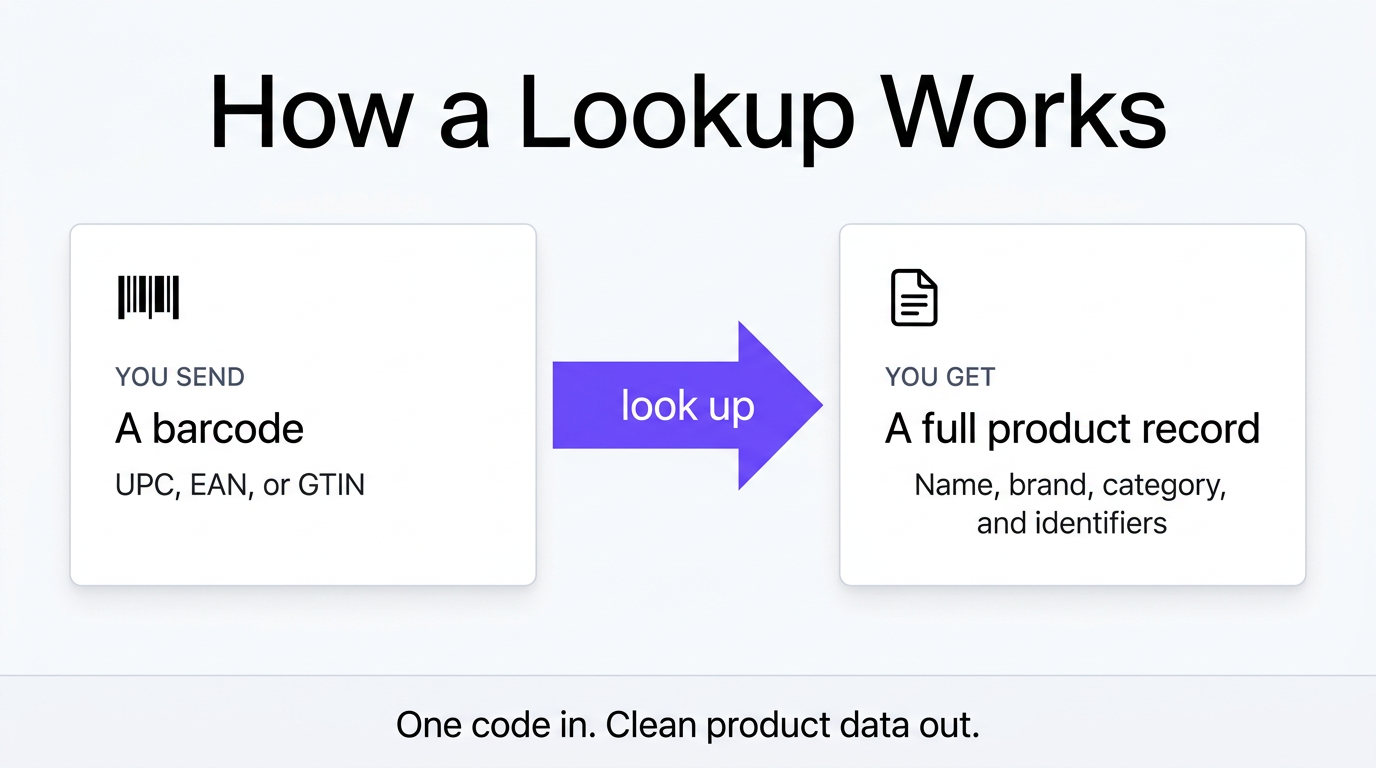
A GTIN lookup API takes that key and returns the product behind it. You send a barcode, a UPC, or an EAN, and the API responds with structured product data such as the product's name, brand, and category. Done one code at a time, that is convenient. Done across a full catalog, it becomes the backbone of how ecommerce teams match, clean, and enrich their data.
This guide covers how these APIs work, how GTIN, UPC, and EAN relate, how barcode matching scales from a single lookup to millions, and what to check before you build on one.
What Is a GTIN Lookup API?
The term covers a specific kind of product API, so it helps to define it cleanly before looking at how it scales.
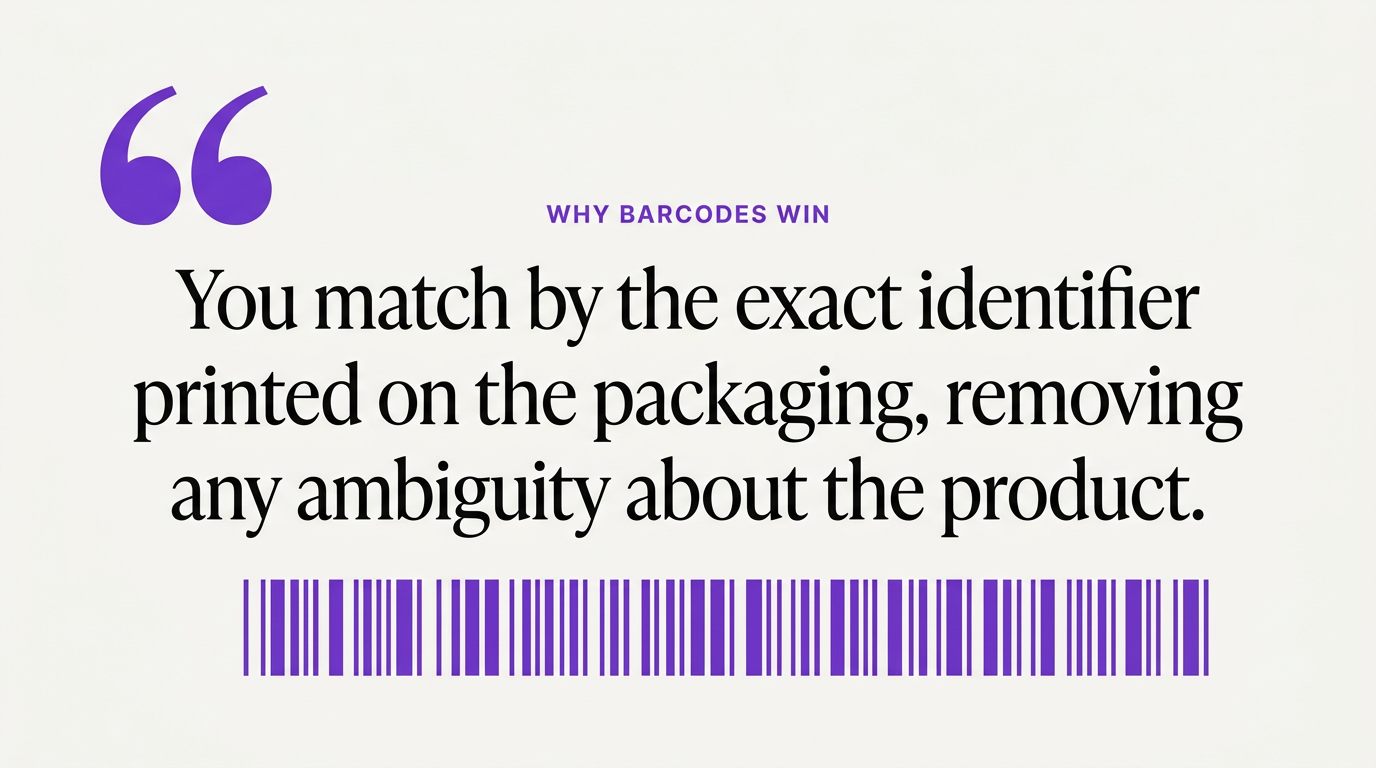
A GTIN lookup API is a product data service that accepts a Global Trade Item Number, such as a UPC or EAN barcode, and returns the structured product record tied to it. Instead of searching by keyword or product name, a GTIN search queries by the exact identifier printed on the packaging, which removes any ambiguity about which product you mean.
That precision is why barcode-based lookup is the preferred method for matching. A product name can be spelled a dozen ways across retailers, but a barcode is the same everywhere it appears.
How GTIN, UPC, and EAN Relate
GTIN is the umbrella standard. It is the underlying number a barcode encodes, and the common formats are simply different lengths of that number. A UPC is a 12-digit GTIN used mainly in North America. An EAN is the 13-digit version common across Europe and much of the world. Book ISBNs follow the same system. All of them describe the same product identity, which is why a good UPC lookup API treats these formats as interchangeable rather than as separate systems.
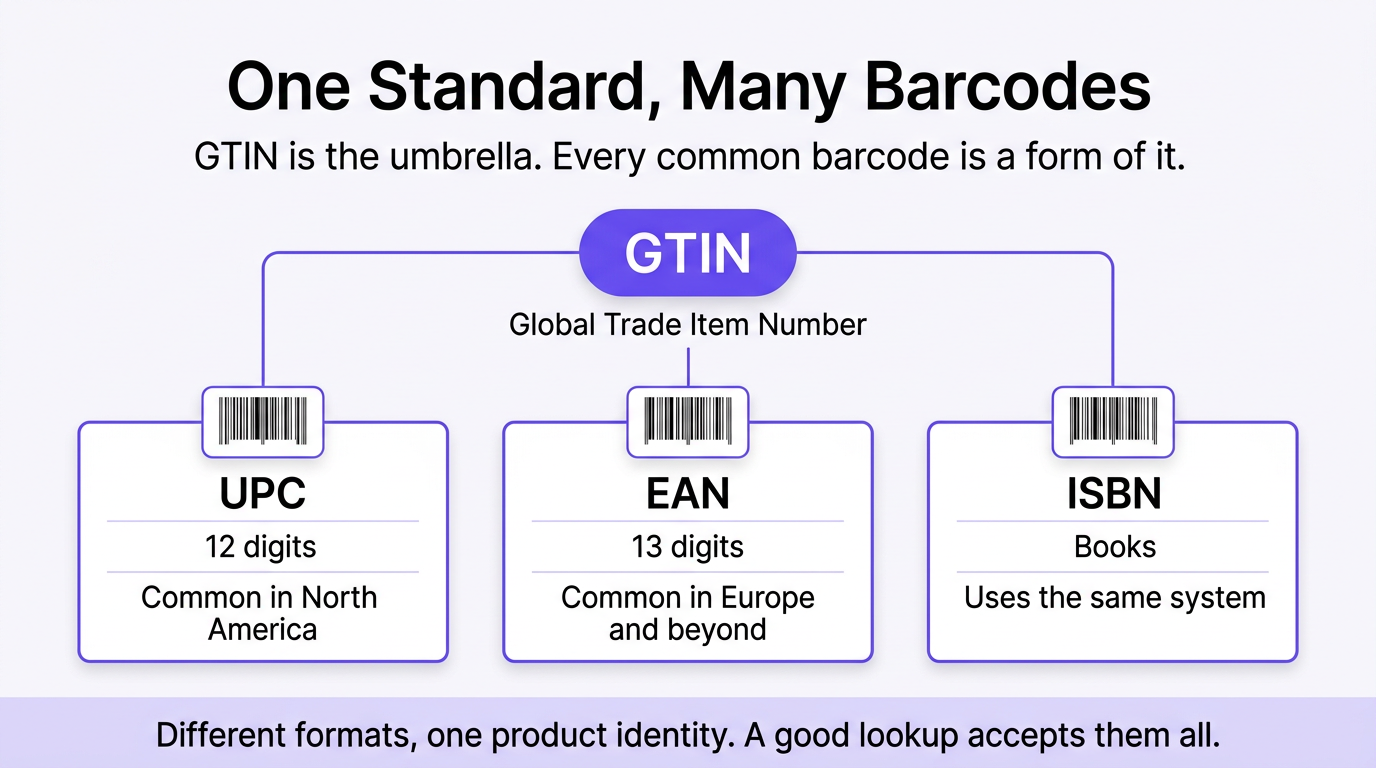
The practical benefit is that you should be able to send any of these formats and get the same match. A well-built lookup groups a product's barcode variants together, so a single query returns the record whether you have the UPC, the EAN, or another GTIN form on hand. In practice, a UPC lookup API and a barcode lookup are the same service viewed from different formats.
What a GTIN Search Returns
A single lookup should return far more than a name. A complete product record includes the brand and manufacturer, product categories, descriptions, image references, and the full set of identifiers tied to that item, including its marketplace IDs and every barcode variant. The richer the record, the less follow-up work your team does after the match.
Typical fields returned by a product barcode API include:
- Names, brands, and manufacturers, so matched records line up with your existing catalog.
- Categories and descriptions, which power search, filtering, and merchandising.
- Linked identifiers, including UPC, EAN, and marketplace IDs, so one match connects to many systems.
How Does GTIN Search Work at Scale?
One barcode at a time is a demo. Real catalog work happens in bulk, and that is where the design of the API starts to matter.
From a Single Barcode to Bulk Matching
Bulk barcode matching means submitting large lists of codes and getting a record back for each one that matches. Consider the volume involved: U.S. ecommerce sales topped $1.2 trillion in 2025, spread across catalogs far too large to match by hand. Matching a full catalog against a reference database quickly becomes a job of thousands or millions of lookups, not dozens.
Run programmatically, a product barcode API lets you loop through your identifier list, query each code, and write the matched records back to your system. The work is simple in concept. The friction shows up in throughput, freshness, and how you pay for it, which the next sections cover.
Product Model Number Search for Items Without a Barcode
Not every record arrives with a clean barcode. Supplier feeds, spreadsheets, and legacy systems often carry a manufacturer part number instead. A product model number search fills that gap by matching on the model or part number field rather than the GTIN, so items without a scannable code still resolve to a product. Combining barcode lookups with model number search catches far more of your catalog than either method alone.
Why Rate Limits Break Barcode Matching at Scale
Throughput is the first place a barcode-matching project stalls, and it usually has nothing to do with your code.
Many product APIs cap how many requests you can send per second. On a single lookup that limit is invisible. On a job that matches a few million barcodes, it becomes the whole project. A rate-limited API forces you to build throttling logic, backoff timers, retry handlers, and queue management around every call, and then it makes your matching job crawl while it waits out the cap.
An API with no rate limiting removes that entire layer. You send the list as fast as your pipeline can process it, and the matching job finishes on your schedule instead of the provider's. For teams running catalog deduplication or marketplace matching against a deadline, that is the difference between an overnight batch and a week of babysitting a queue.
Six Things to Check in a Product Barcode API
Before you commit to a provider, run through the factors that actually determine whether barcode matching works at your scale.
- Format handling. The API should accept UPC, EAN, and other GTIN forms interchangeably and return the same record for each, so you never have to pre-sort your list by format.
- Throughput. Confirm there are no per-second request caps; on a large matching job, a cap forces your pipeline to wait out the limit instead of running at full speed.
- Billing model. Per-record pricing means you pay only for the matched records you receive, not for every query you attempt or every code that returns nothing.
- Coverage breadth. Look for a catalog that spans product categories and marketplaces under one integration, rather than a single vertical you outgrow.
- Documentation you can read. Public, clear documentation lets your developers see the query structure and fields before they commit, instead of scheduling a sales call to learn how the API works.
- A way to explore first. A visual portal for browsing available data and testing matches before writing integration code shortens the path from evaluation to production.

Common GTIN Lookup API Use Cases
The reason these factors matter becomes clear in the jobs teams actually run barcode lookups for.
Catalog Deduplication and Enrichment
When the same product appears under slightly different names across your systems, barcodes collapse the duplicates. Matching every record to its GTIN gives each product one canonical identity, and a product catalog API then fills in the missing brand, category, and description fields. The result is a cleaner, deeper catalog with far less manual cleanup.
Marketplace and Reseller Matching
Marketplaces and resellers list the same items under their own SKUs. Matching those listings back to a shared GTIN lets you line your products up against competitors, spot where your catalog overlaps a marketplace, and track how an item is represented across channels. The barcode is the join key that makes cross-channel matching possible.
Frequently Asked Questions
A few questions come up repeatedly when teams start matching products by barcode.
What Is the Difference Between a GTIN and a UPC?
A UPC is one type of GTIN. GTIN is the umbrella standard for product identifiers, and UPC and EAN are two of its barcode forms, at 12 and 13 digits. Both point to the same product, so a lookup API should accept either one.
Do I Need to Validate a Barcode Before Looking It Up?
It helps. Every barcode ends in a check digit that confirms the number is well formed, so validating your codes first filters out typos and malformed entries that would never match. Cleaning the list before you query keeps match rates high and avoids wasted lookups.
Where Does a Lookup's Product Data Come From?
It comes from a large product catalog that aggregates listings from across many retailers and marketplaces. The wider that source, the more of your barcodes resolve to a match, which is why coverage matters as much as raw database size.
What If a Product Has No Barcode?
Use a product model number search. Matching on the manufacturer part number or model number resolves items that arrive without a GTIN, such as records pulled from older supplier feeds or spreadsheets.
How Current Is the Product Data Behind a Lookup?
Freshness depends on the provider. For ongoing accuracy, run scheduled queries filtered to records changed since your last sync, which keeps matched data current without re-pulling the entire catalog each time.
Turn Barcodes Into Product Data at Scale
A GTIN lookup API is only as useful as the volume it can handle. Matching a handful of barcodes is easy anywhere. Matching a full catalog cleanly, without a wall of throttling logic, is what separates a workable product barcode API from a demo. Judge providers on format handling, throughput, coverage, and how you pay, and the right fit becomes clear.
Datafiniti's product data API matches products by GTIN, UPC, and EAN across a catalog of hundreds of millions of records, with no rate limiting and per-record pricing so you only pay for the matches you receive. Request a demo to see how barcode matching at scale works on real product data.
Read the latest articles

Read more

Best Business Data APIs for Sales Teams & Prospecting

Business Data API: Company Data at Enterprise Scale

How to Build a Product Database With a Product Data API

Property Data API Coverage: What U.S. Datasets Include

Product Data API for Ecommerce Price Monitoring and Repricing

Real-Time Product Data API for Product-Led Growth Teams

Property Ownership Data API for Skip Tracing and Lead Gen

How APIs Make Building a Product Database Easy
Learn how to build a product database with APIs for cleaner imports, updates, search, and scalable product data.

What Is Property Transaction Data and How Does an API Help Get It?
Learn how property transaction data works and how APIs provide structured access for analysis and workflows.

How to Use Real Estate Transaction Data
Learn how to use real estate transaction data for analysis, valuation, underwriting, and market decisions.

How to Leverage Competitor Pricing Data with an API
Use competitor pricing data to build API-driven monitoring, analysis, and smarter pricing decisions.

Price Monitoring API: The Key to E-Commerce Pricing Strategy
Use a price monitoring API to track market changes, improve pricing decisions, and protect ecommerce margins.

How do Product Data APIs Work for E-Commerce Companies?
Learn how a product data API works, from collection and queries to ecommerce integration and use cases.

Bulk Real Estate Data Licensing: Access Datasets at Scale

How to Integrate MLS Listings Using an MLS Data API
GTIN Lookup API: Search Products by Barcode & UPC at Scale

Best Real Estate API 2026: Coverage, Pricing, Data Quality

Best Product Data API 2026: A State-of-the-Market Guide

Product Data API Integration Patterns for Ecommerce Platforms

Build a PropTech MVP With a Property Ownership Data API

3 Benefits of Web Scraping for Real Estate
Boost your research by using web scraping for real estate to gain market insights, automate lead lists, and minimize property risk.
How Real Estate Agents Can Leverage Proptech Data
Leverage proptech data to source leads, speed up valuations, and manage risk with accurate, real-time property insights.
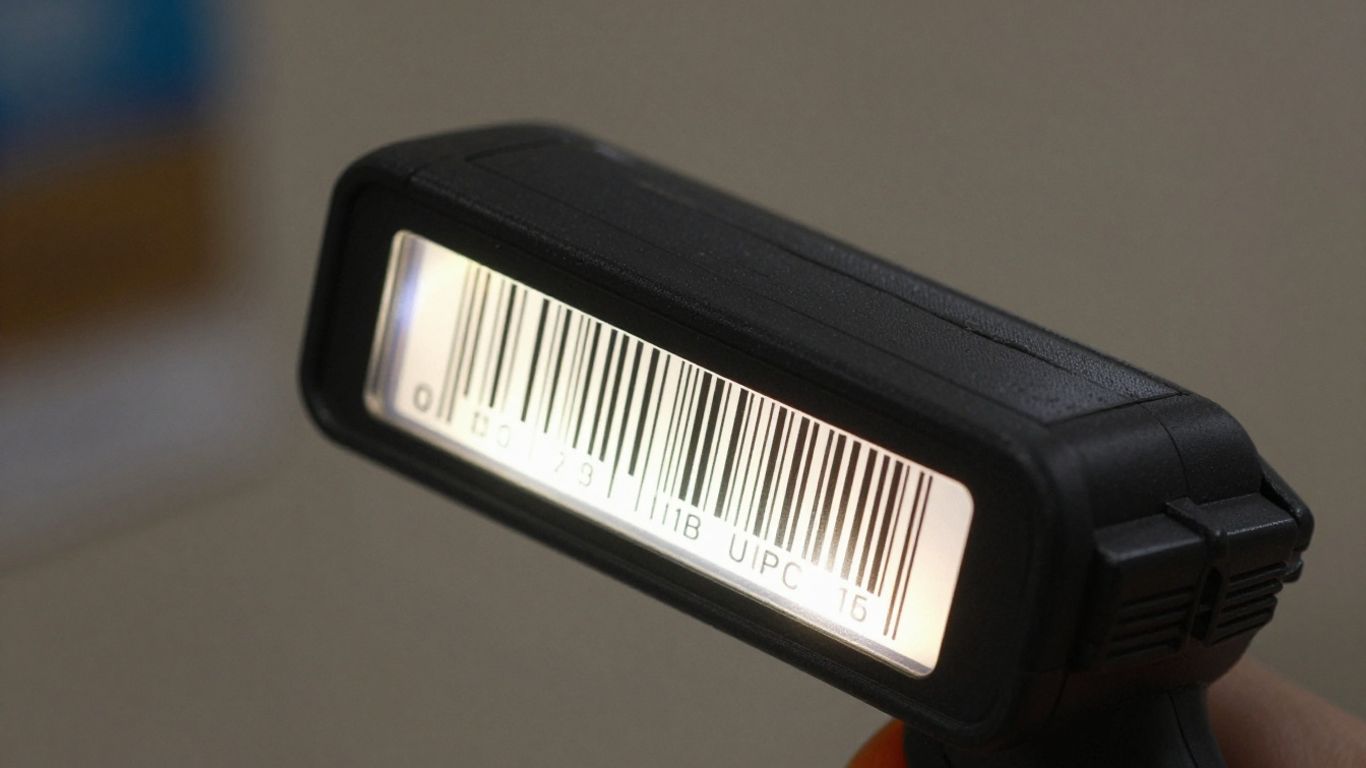
What Is a UPC Lookup API?
Learn about the UPC lookup API, how it works, and its benefits for businesses. Get product data easily.

What Is a GTIN Lookup API?
Learn about the GTIN lookup API and how it can help your business grow. Get product data insights.

How Does a Property Data API Work?
Learn how a property data API works, its features, and how you can use it for real estate and business insights.

What The Best Real Estate APIs Should Have
Discover what makes the best real estate APIs stand out. Learn about essential features for your property data needs.

The Benefits of a Real Estate MLS API
Learn about the benefits of a real estate MLS API for streamlining data access and driving business growth.

Why Every Real Estate Pro Needs an MLS Database API
Learn why a MLS database API is vital for real estate pros. Get data, insights, and competitive edge.
How to Access MLS Listing Data
Learn how to access MLS listing data using an MLS data API. Discover Datafiniti's solutions and integration tips.
.png)
How to Enrich Your Product Catalog With a Real-Time API
.jpeg)
Product Data API Buyer's Guide for Ecommerce Teams

Do I Need a Real Estate Listing API?
Explore the benefits and technicalities of a real estate listing API. Learn how to choose the right provider and integrate data for business growth.

Unlocking the MLS Database with APIs
Unlock the MLS database with APIs. Learn how to access property data, gain real estate insights, and integrate MLS data for your business needs.

Why Real Estate Tech Startups Need Property APIs with Ownership Details
Discover how property APIs with ownership details empower real estate tech startups. Learn about data integration, risk mitigation, and driving business value.
The Value of a Product Catalog Sync for Product Managers
Unlock the value of product catalog sync for product managers. Streamline data, improve decisions, and reduce costs with real-time insights.

What is a Product Data Webhook?
Learn about product data webhooks, their components, and how they enable real-time updates for business intelligence and workflow automation.

Why Is a Product Data API Integration Essential for Analysts & Product Managers?
Unlock insights with product data API integration. Essential for analysts & product managers to streamline data access & enhance product strategy.

What Is a Product Data API and Its Benefits
Learn about product data APIs, their benefits, and how they drive business growth. Explore integration and advanced use cases.

What Do eCommerce Data Vendors Do?
Learn what ecommerce data vendors do, their services, and how to choose the right one for your business growth.

How to Compare Product Data Providers: What to Look For
Compare product data providers. Learn what to look for in data quality, structure, and integration features.

How to Get Your Product Data in Real-Time Using APIs
Learn how to leverage real-time product data APIs for e-commerce, competitive analysis, and AI. Get instant access to clean, structured product data.

Best Product Data API: Features to Look for
Find the best product data API with real-time updates, comprehensive coverage, and a user-friendly portal. Explore features to look for.

Unlocking Property Data with an API
Access property data with a powerful property database API. Explore listings, market analysis, investment opportunities, and more. Get started today!

Unlocking CRE with APIs
Unlock commercial real estate insights with a powerful API. Access property data, streamline workflows, and enhance investment strategies.

How to Get a Real-Time Product Feed Using an API
Learn how to get a real-time product feed using an API. Access, leverage, and ensure accuracy of product data for your business needs.

Spying on Competitor Prices: What You Need to Know
Learn how to gather and analyze competitor pricing data to inform your business strategy. Understand key components and ethical considerations.

Product Data Enrichment: What Are You Missing?
Enhance your product data with comprehensive enrichment. Discover insights, drive growth, and choose the right approach for your business.
.png)
IDX vs MLS API: A Developer's Guide to Real Estate Listing Data
.png)
Real Estate API Pricing Models Explained: Subscription vs. Usage-Based

Real Estate API vs Web Scraping: Which Wins in 2026?
.png)
Product Data APIs Explained: Powering Product Search and Catalog Automation

Best Sources for Bulk Real Estate Transaction Data

How to Get the Most out of a Product Catalog API
Learn how to leverage a product catalog API for business growth. Discover data quality, access methods, and strategy for your product catalog API.

Taming Your Ecommerce Product Data Feed
Optimize your ecommerce product data feed for growth. Learn strategies, leverage technology, and ensure data quality for better customer experience and AI initiatives.

Streamlining Your Product Search with an API
Explore the benefits and integration of a product search API. Streamline your product discovery and leverage data for business growth.
.png)
Real Estate Transaction Databases: What You Need to Know
.png)
Best MLS API for Real Estate Software: What Developers Need

How Real Estate Platforms Access MLS Database APIs
.png)
Commercial Real Estate API vs. Residential Property API
.png)
How to Choose a Real Estate Database API for Your MVP
MLS API vs. IDX: What's the Diff?
MLS API vs IDX: Explore the differences in real estate data access, retrieval, and integration. Understand which solution fits your needs.

Scraping vs. APIs: Getting Real Estate Data
Compare web scraping vs real estate API for data acquisition. Learn the pros, cons, and best use cases for each method.

Cracking the Code: Housing Sales Insights
Unlock housing sales analytics insights with Datafiniti. Explore property data, market trends, and advanced techniques for strategic decisions.

Property Valuation API: Your Go-To Real Estate Tool
Leverage the property valuation API for real estate insights. Access comprehensive property data for diverse applications with Datafiniti.

Product Data APIs Explained
Learn about product data APIs explained. Discover how to access, integrate, and utilize product data for e-commerce, analytics, and more.

Unlocking Your Ecommerce Data with APIs
Unlock ecommerce data with APIs for business insights, product catalog enrichment, and competitive analysis. Explore data via portal or API.

Your Guide to Housing Sales APIs
Explore housing sales API data for insights. Access property data, integrate into applications, and gain business intelligence. Get started today!

Real Estate Ownership Data: How to Access, Analyze and Use at Scale
Access, analyze, and use real estate ownership data at scale. Learn how to find, process, and leverage this crucial information for business insights.

Unlocking Opportunities: Navigating Bulk Real Estate Transaction Data
Unlock opportunities with bulk real estate transaction data. Learn how to access, analyze, and leverage property data for investing, marketing, and more.
What Is a Property Sales Database?
Explore what a property sales database is, its core components, how to access data, and key use cases for real estate analysis and more.

Benefits of Obtaining Housing Transaction Data
Unlock insights with housing transaction data. Analyze markets, investments, sales, and risk. Get comprehensive property data for informed decisions.

Understanding Real Estate Transaction Databases
IDX vs MLS API: What Every Real Estate Professional Should Know
Understand IDX vs MLS API differences. Learn about data access, integration, and how Datafiniti's solutions empower real estate professionals.

What Is an MLS Database API?
Explore the MLS database API: understand its components, benefits, and how to access real estate data for various applications. Learn about its core functionality and technical aspects.

How a Property Database API Can Help Real Estate Pros
Learn how a property database API can help real estate pros analyze trends, monitor listings, and optimize strategies. Get data insights.

What Is a Residential Property API?
Explore what a residential property API is, its features, benefits, and real-world applications for real estate professionals and investors.

What Is a Commercial Real Estate API?
Explore commercial real estate API functionality, data integration, and use cases. Learn how to leverage property, business, and people data for insights.

Understanding MVP Data Integration
Learn about MVP data integration, its components, benefits, and strategies for accessing and utilizing data resources effectively.

How to Choose the Best Property Data API
Learn how to choose the best property data API. Explore features, providers, pricing, and integration for real estate insights.

Real Estate Database API: What to Look for
Explore real estate database API options. Learn about data quality, features, and how to choose the right provider for your needs.
.png)
Real Estate Transaction Database: An API Access Guide

How Do Product Data APIs Work?
Understand how a product data API works, its key features, integration methods, and applications for e-commerce and business intelligence.

How Do Data Aggregation Platforms Work?
Explore how data aggregation platforms work, their capabilities, and applications. Learn to choose and implement the right platform for your business intelligence needs.

Why Do Companies Need Property Data Aggregation?
Discover why property data aggregation is crucial for businesses. Streamline access, empower functions, enhance risk management, and drive strategic decisions with authoritative insights.

MLS API: The Complete Guide to Accessing MLS Listing Data

Product Search API vs. Product Data API: What's the Difference?

What Are the Best MLS Data API Features to Look For?
Discover the best MLS data API features, including real-time updates, bulk downloads, and flexible filtering for property data.

What Is a Product Data API?
Explore the functionality and benefits of a product data API. Learn how to integrate, leverage, and choose the right provider for your business insights.
What Is the Difference Between Product Search API and Product Data API?
Understand the difference between Product Search API and Product Data API. Learn how to leverage product data for business intelligence and analytics.

Guide to Accessing Real Estate Transaction Database Via API
Access real estate transaction data via API. Explore property insights, sales, underwriting, and advanced applications with our authoritative guide.

Is a Real Estate MLS API Beneficial?
Explore the benefits of a real estate MLS API for enhanced data access, streamlined workflows, and market responsiveness. Learn about key features and use cases.

What is an MLS Database API?
Explore the MLS database API for comprehensive property data access. Learn about its core functionality, key features, and integration into real estate technology.

What Is a Property Data API?
Explore the capabilities of a property data API. Understand its core functionality, key features for developers, and how to access property information at scale for business insights.
.png)
Real Estate API Pricing: What You Need to Know Before You Build
.jpeg)
How to Choose a Property Market API for Investment Platforms
Choosing the right property market API is critical for investment platforms. Learn how to evaluate data depth, coverage, freshness, and integration quality before you commit.
Data you can trust, delivered in a format your systems can use, at the scale your product requires.